Alcohol Rewires the Brain's Genes After Just One Drink, Study Finds
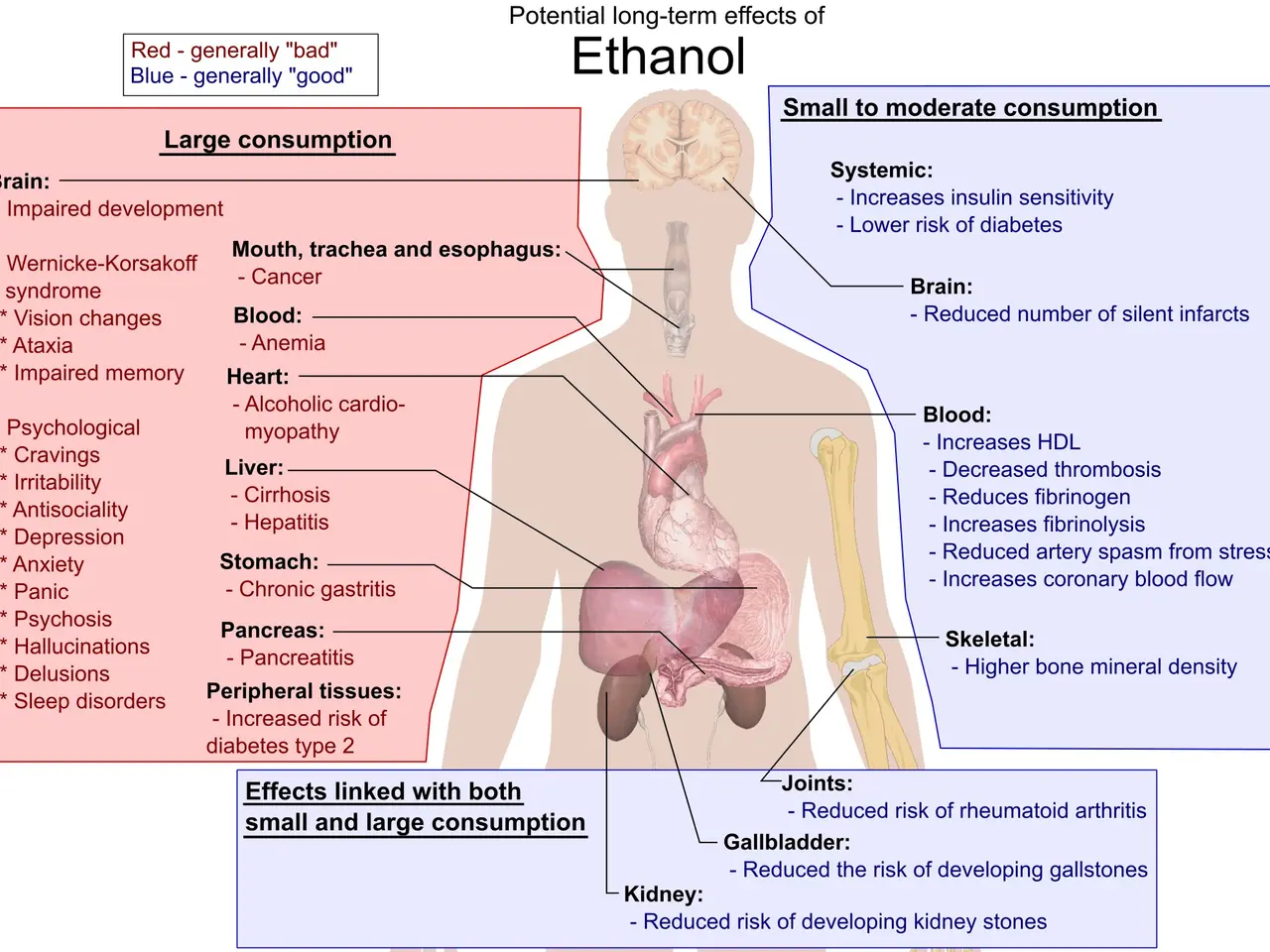
A new study has uncovered how alcohol affects the brain at a genetic level. Researchers found that alcohol metabolites directly alter gene regulation across all examined brain regions. The changes vary depending on the area and the length of exposure.
The ventral hippocampus, which controls emotional responses, showed the strongest reaction to alcohol exposure. This sensitivity may help explain why people with alcohol use disorder often struggle with mood swings and cravings. The study revealed that even a single exposure to alcohol triggers gene regulation in the hippocampus. Short-term drinking caused more dramatic epigenetic and gene expression shifts than long-term use in some cases. These early changes suggest that initial alcohol encounters have a powerful molecular impact.
Repeated alcohol exposure led to genetic alterations in every assessed brain region. However, the ventral hippocampus stood out as particularly sensitive. The number of times mice were exposed to alcohol strongly influenced the degree of molecular change in this area.
While the research did not compare epigenetic mechanisms across different brain regions, it confirmed that alcohol metabolites disrupt gene regulation. This disruption occurs through complex pathways that vary by location and exposure duration. The findings highlight how alcohol reshapes brain function at a genetic level. Short-term exposure can trigger significant changes, especially in the ventral hippocampus, which plays a key role in emotions. These molecular shifts may contribute to the emotional and behavioural challenges seen in alcohol use disorder.