American Heart Month Spotlights Lifesaving Steps to Fight Heart Disease
February marks American Heart Month, a time dedicated to raising awareness about heart health across the nation. Heart disease remains the leading cause of death in the United States, affecting adults of all ages, genders, and ethnic backgrounds. Activities and campaigns this month aim to highlight simple yet effective ways to reduce risks and improve well-being.
Heart disease accounts for roughly one in five deaths in the U.S. According to the latest CDC data, published in November 2023, the condition caused 695,547 deaths in 2022 alone. These figures underscore the urgent need for prevention and early intervention.
One key event during American Heart Month is National Wear Red Day, held on the first Friday of February. This initiative focuses on women's heart health, encouraging people to wear red in solidarity. Another local effort, the Heart Felt Fun Run, will take place on February 28 at the GCU Health and Wellness Clinic, promoting physical activity for heart health.
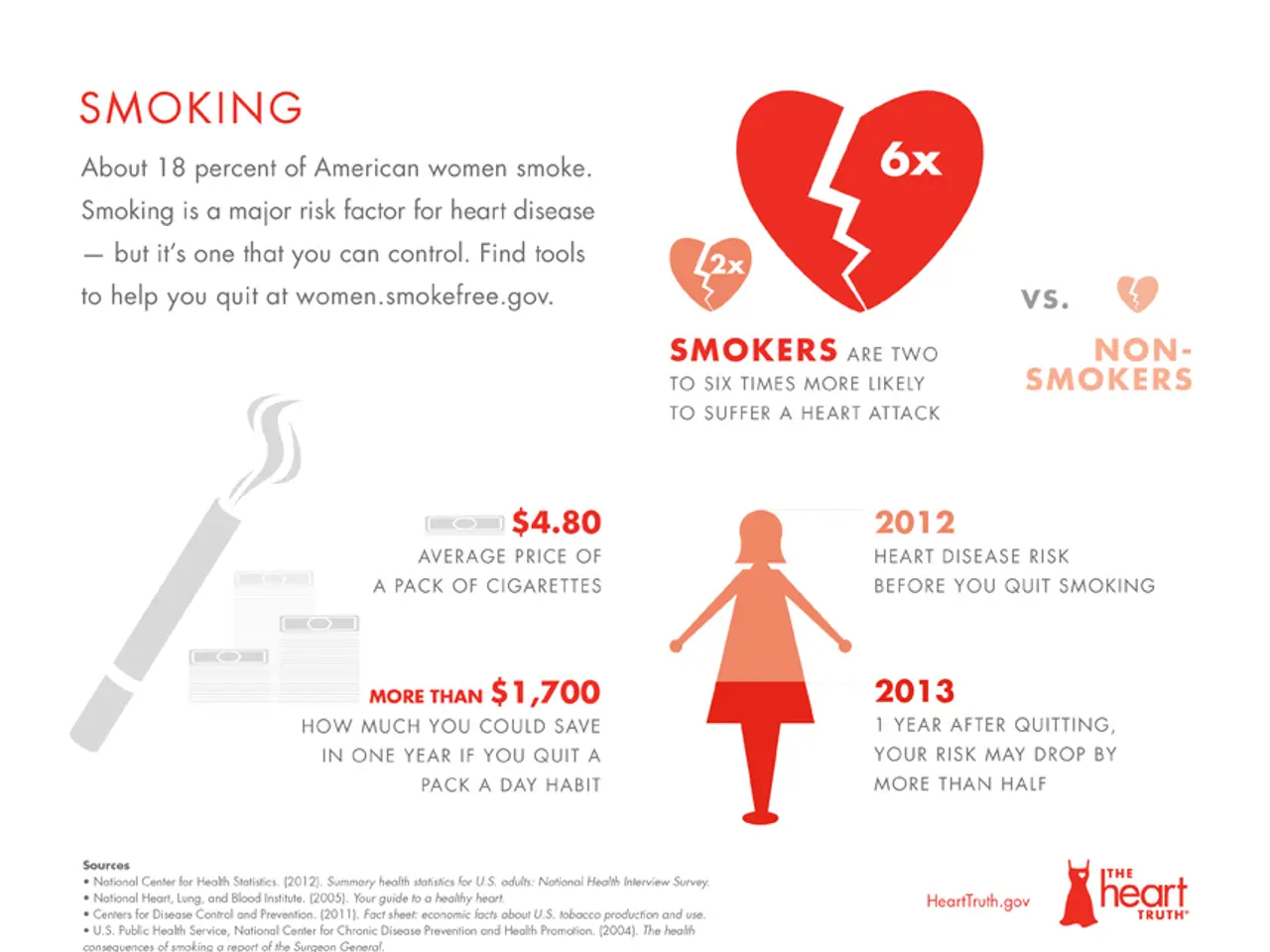
The national Million Hearts initiative outlines four straightforward steps to protect the heart: using aspirin when advised, controlling blood pressure, managing cholesterol, and quitting smoking. Regular exercise, such as 150 minutes of moderate activity per week, also plays a vital role. Additionally, a balanced diet rich in fruits, vegetables, whole grains, and lean proteins can further support cardiovascular health. Routine checkups help monitor risk factors like high blood pressure and cholesterol, making early detection and management possible.
American Heart Month serves as a reminder of the importance of proactive heart care. With heart disease remaining a top cause of death, initiatives like Million Hearts and community events such as the Heart Felt Fun Run provide practical ways to reduce risks. Small lifestyle changes and regular medical checkups can make a measurable difference in long-term health.