Archbishop Grünwidl reveals how love dismantles shame and builds resilience
Archbishop Josef Grünwidl has shared his views on love, shame, and resilience in a recent reflection. The 33rd Archbishop of Vienna, appointed by Pope Leo XIV in 2025, described Christianity’s core message as simple yet powerful: ‘You are loved.’ He believes this truth can free people and build lasting strength.
Born in Hollabrunn in 1963, Grünwidl was ordained in 1988 after studying theology and organ performance. He became archbishop in January 2026, following his consecration at St. Stephen’s Cathedral. His recent remarks focus on the idea that love removes the terror of failure and shame.
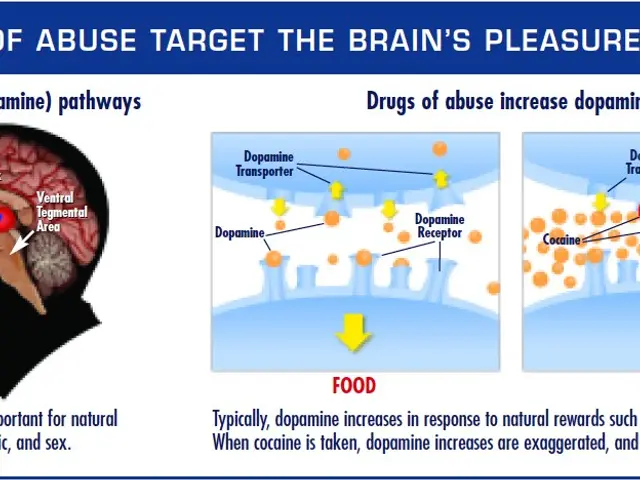
He and his wife made a key decision early in their marriage: to never feel ashamed of each other or their children. This choice, he argues, creates a foundation for resilience. It also reduces the fear of being irrelevant or socially rejected. Grünwidl criticises modern society’s rejection of a loving God. He claims this rejection has not led to greater freedom. Instead, it has introduced concepts like Fremdschämen (secondhand embarrassment) and rising psychotropic drug use. The archbishop contrasts this with the stability of knowing one is loved, calling it the firmest basis for a free and unbowed life.
The archbishop’s message ties love to emotional strength and freedom. His argument suggests that embracing this belief can reduce shame and build resilience. The discussion comes as part of his broader critique of modern detachment from spiritual foundations.