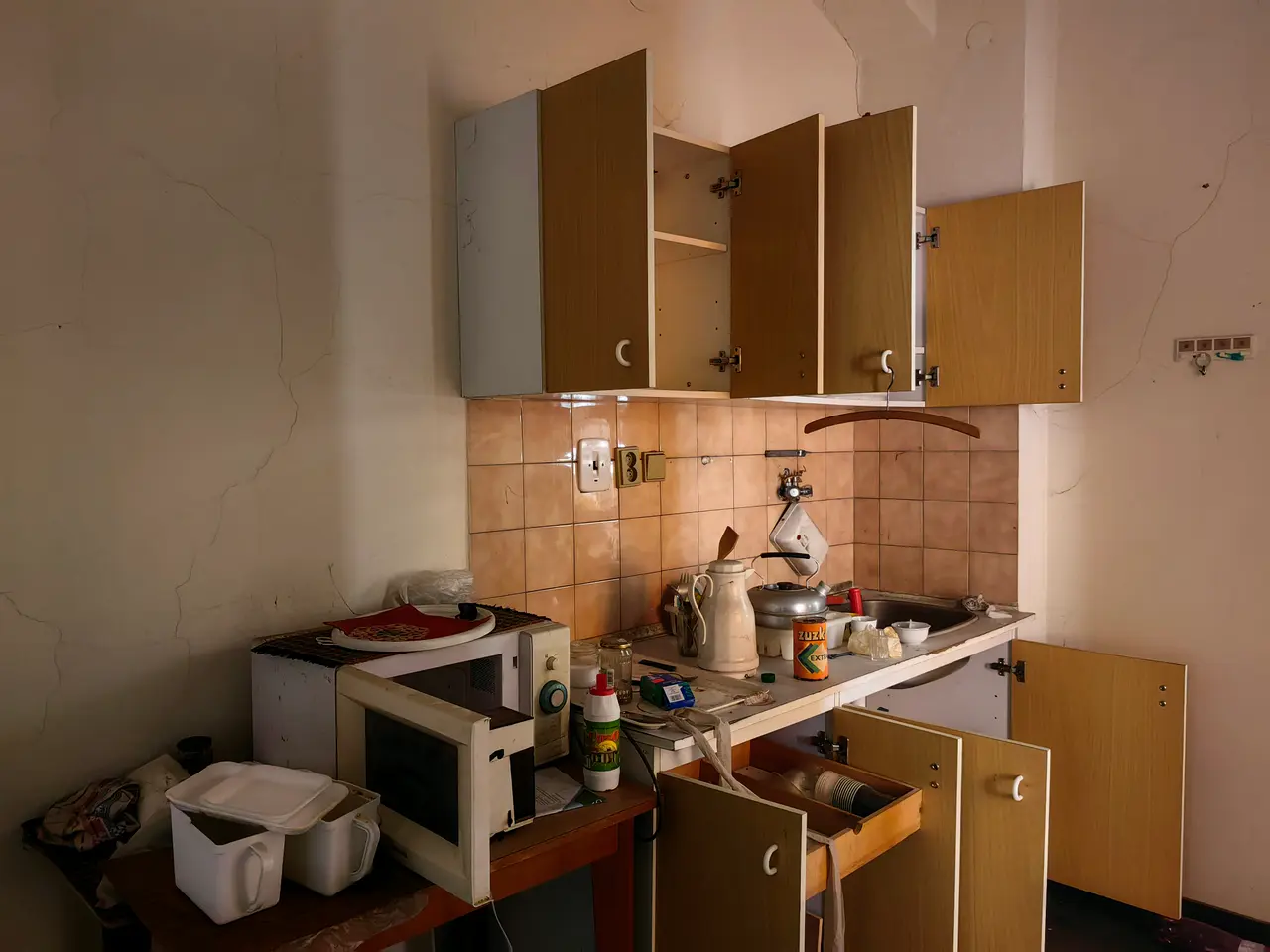
How dangerous is cooking with a microwave really? - Are microwaves safe? Experts debunk myths and confirm their benefits
Microwaves remain a staple in kitchens across the country, with nearly three-quarters of households owning one. Despite lingering doubts about their safety, experts confirm they pose no health risks when used correctly. The Federal Centre for Nutrition also clarifies that microwaving does not strip away more nutrients than traditional cooking methods.
Microwaves work by using electromagnetic radiation to cook, bake, grill, and even brown food. This technology was first introduced commercially in the US in the late 1940s, but its adoption in German homes is not documented in available data.
Certified models are designed to contain radiation, with only minimal leakage through the door or window—well below legal limits. The Federal Office for Radiation Protection adds that any radiation dissipates quickly with distance, making it harmless to users.
For safe use, metal should never be placed inside, and tightly sealed containers must be avoided. Melamine tableware is recommended instead. Stirring food halfway through heating and letting it stand afterward ensures even temperatures, particularly important for baby food.
The Federal Centre for Nutrition reassures consumers that microwaving preserves nutrients just as effectively as stove-top or oven cooking. With proper handling, these appliances continue to offer a quick and safe way to prepare meals. Their widespread use reflects both convenience and compliance with strict safety standards.