Assam Accord’s Clause 6: A 39-Year Struggle to Protect Indigenous Identity
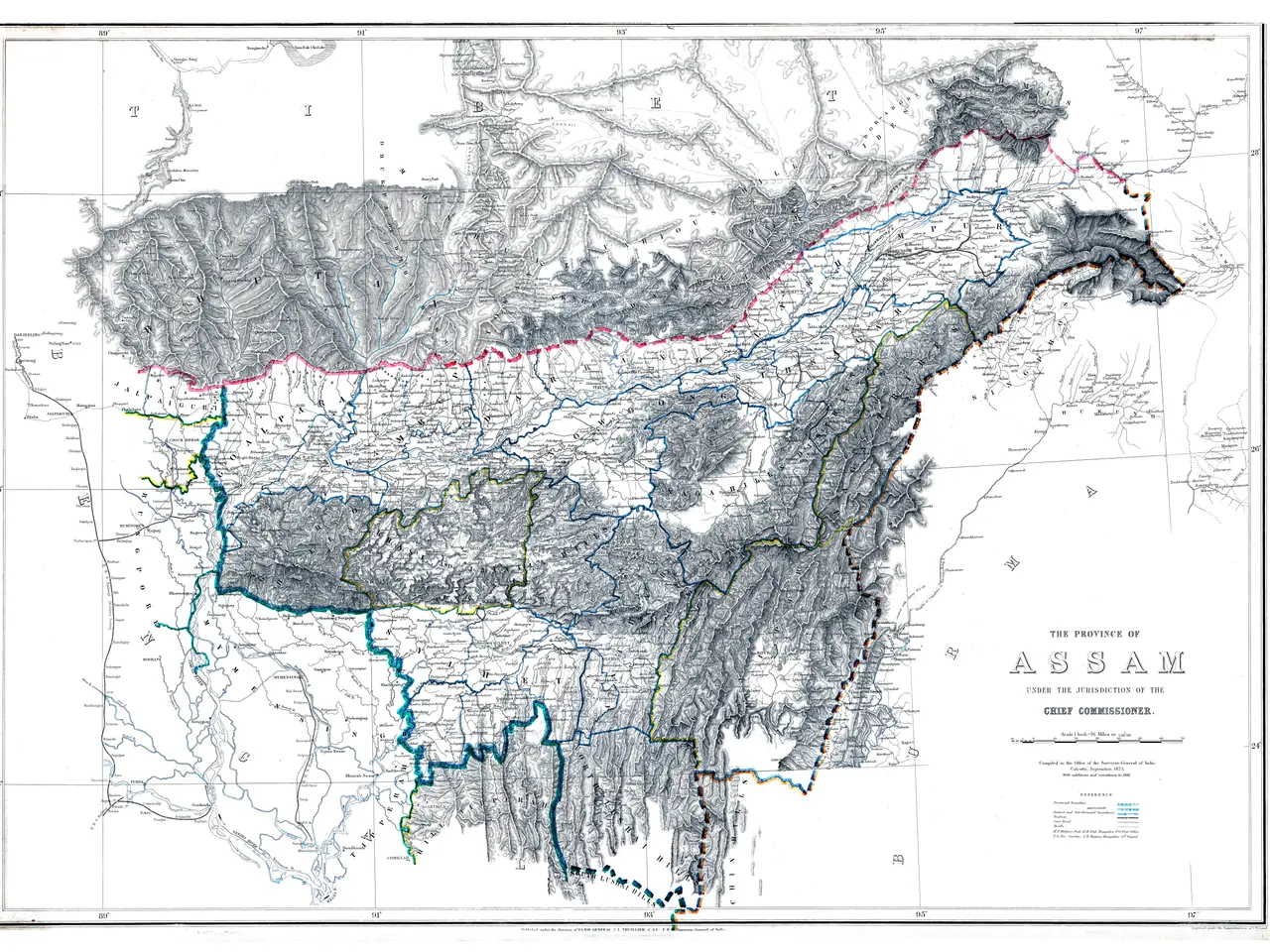
The Assam Accord, signed on 15 August 1985, remains a landmark agreement for the state. It emerged after decades of unrest over migration, which reshaped Assam’s demographics and threatened its linguistic and cultural identity. At its heart lies Clause 6—a promise of constitutional safeguards for the region’s indigenous communities.
Clause 6 was introduced as a moral and legal right for Assam’s people. In exchange for accepting migrants who arrived between 1951 and 1971, the accord guaranteed protections for the state’s original inhabitants. Its goals were clear: preserve Assamese language, literature, and culture while ensuring political dominance for indigenous groups, even as demographics shifted.
Land rights form a critical part of these safeguards. The clause calls for stricter laws to prevent indigenous land from being transferred to outsiders. Yet, its most debated challenge remains defining who qualifies as an 'Assamese person.' Despite decades passing, the Indian government has not settled on a universally accepted definition. Beyond land, the clause pushes for greater representation. It demands job reservations in government roles and proposes an Upper House in Assam’s legislature, with seats set aside for indigenous communities. These measures aim to secure their influence in administration and decision-making. Globalisation and migration continue to test Assam’s cultural fabric. Clause 6 was designed to shield the state’s identity, but its implementation has faced delays and disputes. The lack of clarity on key terms has left many of its promises unfulfilled.
The Assam Accord’s Clause 6 remains both a shield and a point of contention. It outlines protections for land, jobs, and political power, yet its success hinges on resolving long-standing ambiguities. Without a clear definition of 'Assamese people,' many of its intended benefits stay out of reach for those it was meant to serve.