At 80, Sheila Stothard's simple habits unlock the secret to a longer life
At 80 years old, Sheila Stothard leads an active life, playing with her great-grandchildren and walking everywhere instead of relying on cars or buses. Her routine aligns with growing research on how simple lifestyle habits can extend health and longevity in older adults. Studies now confirm that even small changes—like short bursts of movement or better sleep—can make a big difference.
Stothard follows a daily routine that matches expert recommendations for healthy ageing. She walks for hours each week, avoiding public transport and driving. This habit reflects findings that five to ten hours of brisk walking per week cuts the risk of death from heart disease and other causes.
Her diet also plays a key role. She cooks all meals from scratch, focusing on whole, unprocessed foods. Research suggests this kind of eating can add up to ten years to a person's life.
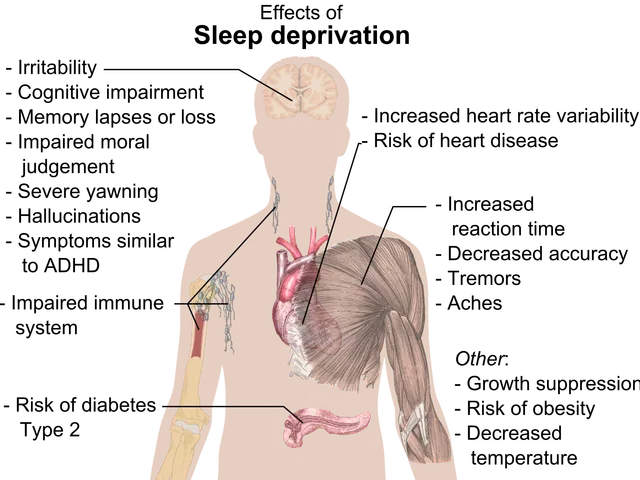
Sleep is another priority. Stothard aims for seven to eight hours a night, going to bed by 9:30 p.m. and waking after 6 a.m. Studies show consistent, quality sleep lowers mortality risk, while catching up on rest during days off may further protect the heart.
The science supports her approach. Since a 2017 British Journal of Sports Medicine study, experts have reinforced WHO guidelines: 150–300 minutes of moderate activity weekly, combined with strength and balance exercises, can reduce mortality risk by up to 41%. Even 11 minutes of daily beast helps fight chronic diseases like cancer. Flexible routines—such as 2–3 sessions of 30–60 minutes or shorter bursts of 10–15 minutes—work well for those with limitations.
Stothard's habits—walking daily, eating whole foods, and prioritising sleep—mirror proven strategies for a longer, healthier life. Research continues to show that even modest activity, like short walks or better rest, can significantly lower disease risk. For older adults, these small but consistent choices offer measurable benefits.