Austria's icy plunge craze: Why cold water swimming is booming nationwide
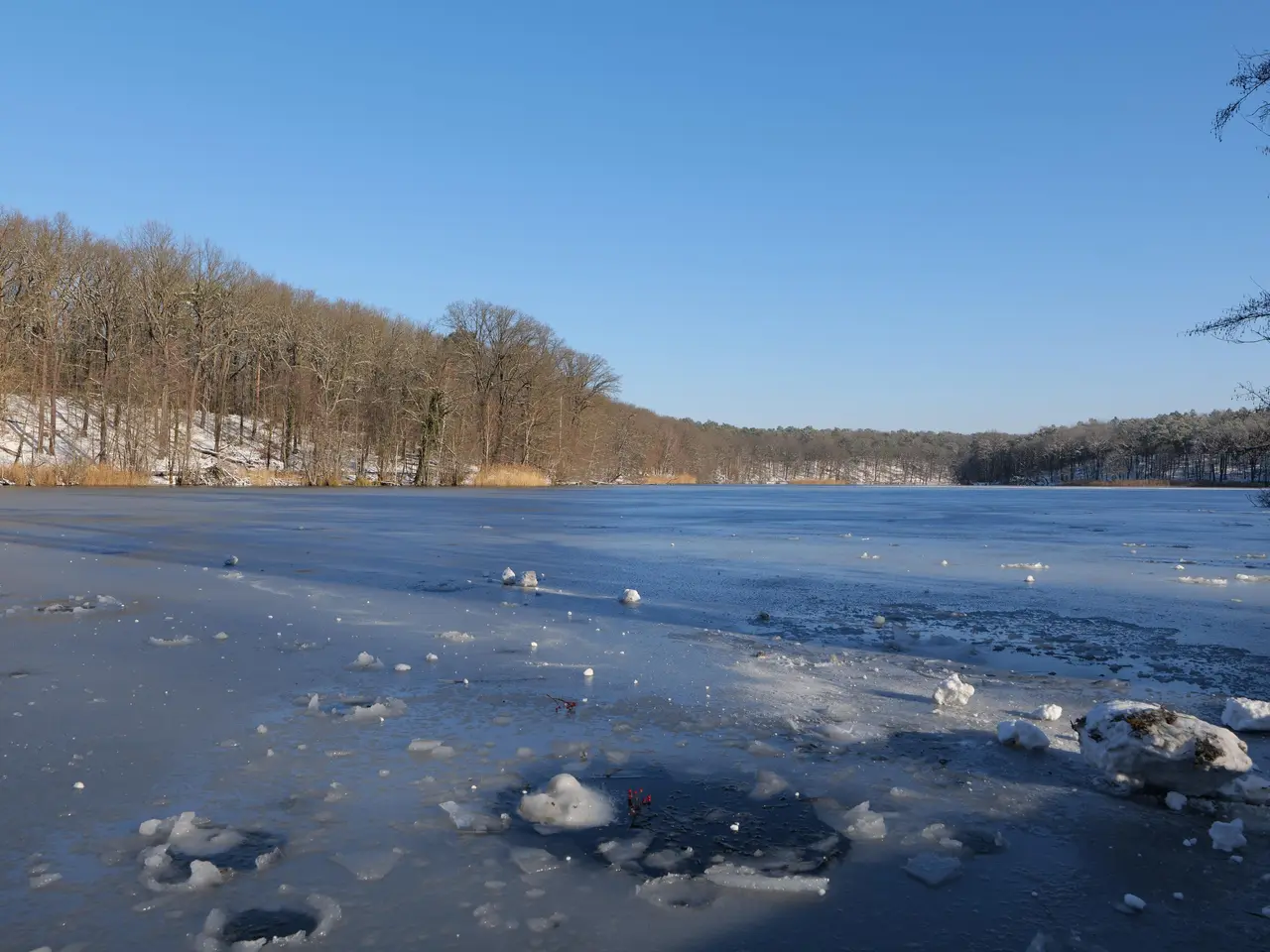
Cold water swimming and ice bathing are gaining popularity across Austria. The practice, once a niche tradition, now attracts more people seeking its physical and mental benefits. With at least 25 public winter swimming spots available nationwide, the trend shows no signs of slowing down.
The tradition of deliberate cold exposure stretches back many years. Today, Austria has embraced it with dedicated locations for safe participation. In Carinthia, several public winter swimming spots have made the region a hub for enthusiasts.
Across the country, around 25 accessible sites now offer facilities like changing cabins and clear safety guidelines. The most visited spots outside Carinthia include Vienna's Donaukanal, Lake Neusiedl in Burgenland, and Attersee in Upper Austria. These locations cater to both seasoned swimmers and newcomers. Experts advise caution before entering cold water. A warm-up is essential, and participants should only proceed if in good health. Never swim alone—always bring a companion for safety. Upon entry, it's important to stay calm, breathe deeply, and avoid sudden dives or full submersion. Temperatures define the difference between ice bathing and cold water swimming. Anything below 10°C counts as an ice bath, while 10°C and above falls under cold water swimming. Regular exposure can help individuals remain composed in uncomfortable situations, training them to keep a clear mind under stress.
The cold water swimming community continues to expand, with more Austrians trying the practice each year. Public spots with proper facilities make it easier to participate safely. As interest grows, the tradition of deliberate cold exposure remains firmly rooted in modern wellness culture.