Biological computers made from proteins now think like living cells
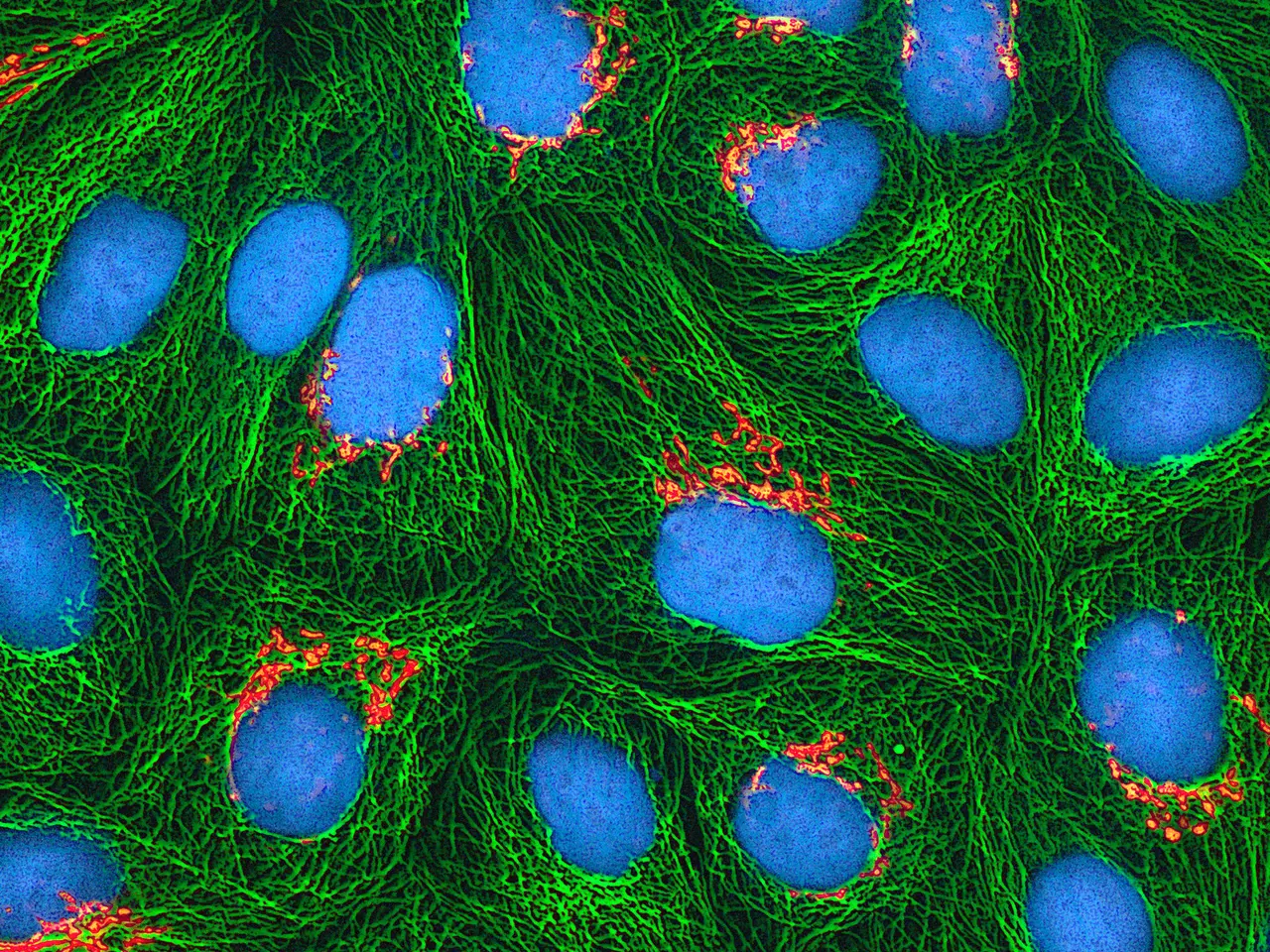
Scientists have taken a major step toward creating biological computers that operate inside living tissue, groundwater, or even on plant leaves. These systems, built from proteins and lab-grown organoids, can now process information without relying on traditional electronics or cloud connections. Recent breakthroughs show how artificial cells and brain-like structures can make decisions, classify signals, and adapt to new patterns—all using minimal energy.
Over the past five years, leading research teams have built the foundations for this technology. In 2022, Jack Szostak's lab at the University of Chicago demonstrated protocells that divide using RNA, mimicking natural cell behavior. A year later, Caltech's David Tirrell developed synthetic protocell membranes capable of autonomous growth. Then, in 2024, David Baker's team at the University of Washington engineered protein circuits that perform decision-making inside artificial cells.
One key advance involves a protein-based 'perceptron'—a simple computing unit that balances self-activation with mutual inhibition. This design ensures only the strongest input triggers a response, allowing cells to filter noisy signals and produce a single, clear output. Researchers have also trained brain organoids to classify tactile patterns, showing signs of learning and adaptability. Even basic protocells, made from lipids and proteins, can now detect chemical gradients and reshape themselves, a behavior similar to how living cells prepare to move.
Beyond proteins, the formose reaction—a well-known chemical process—has been repurposed as a reservoir computer. It can classify inputs and predict dynamic changes without transistors, offering a low-energy alternative to silicon-based systems. These developments suggest a future where biological hardware could process data in real time, embedded in environments where traditional electronics struggle to function.
The field is moving toward practical applications, but experts stress the need for clear guidelines before deployment. Standards for transparency, risk assessment, and public engagement will shape how these technologies are integrated into real-world settings. With artificial cells and organoids already demonstrating learning and decision-making, the next challenge lies in ensuring their safe and ethical use.