Brain Fog, ADHD, or Depression? How to Spot the Key Differences
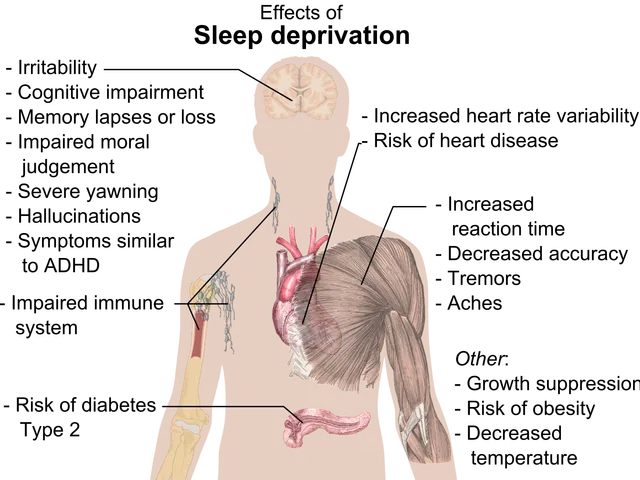
Brain fog, ADHD symptoms, and depression test all disrupt attention, memory, and motivation. Brain fog usually stems from poor sleep, stress, dehydration, or medical issues. Improving rest, diet, and caffeine intake can reveal whether fog is the main problem.
The timing of symptoms helps distinguish them. Recent struggles suggest brain fog or depression, while lifelong attention difficulties point to ADHD. Depression often brings low interest, motivation, and pleasure, along with changes in sleep and appetite. How attention feels also provides clues. Brain fog creates mental cloudiness, ADHD causes unstable focus, and depression reduces drive. Reactions to engaging tasks differ too: ADHD individuals may hyperfocus, depressed people may feel indifferent, and those with brain fog often remain sluggish. Adults with ADHD frequently report long-standing issues like impulsivity, restlessness, and severe concentration problems. These traits often begin in childhood but go unrecognized until later in life.
Understanding symptom triggers and patterns helps separate brain fog, ADHD, and depression. Lifestyle changes may ease fog, while ADHD and depression often require different treatments. Recognising these differences leads to more accurate support and management.