Carbon Monoxide Poisoning Strikes Nashville Apartment Complex, 69 Affected
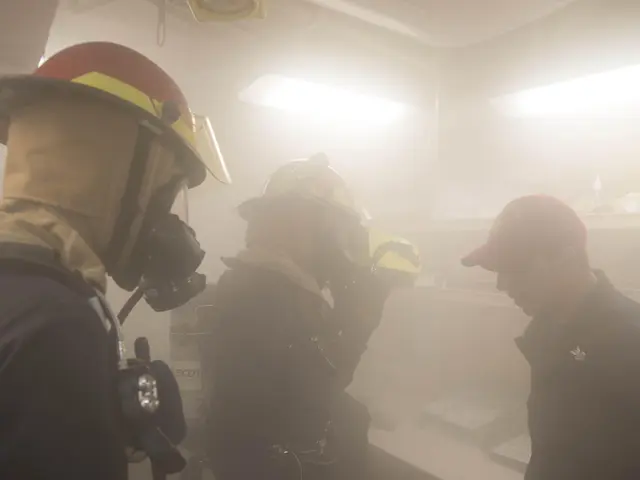
A carbon monoxide incident at a Nashville apartment complex left 69 people affected on Thursday night. The Metropolitan Nashville Fire Department responded to reports of elevated levels at the Signature Music Row Apartment Complex. Cold weather and improper heating equipment often raise the risk of such poisonings.
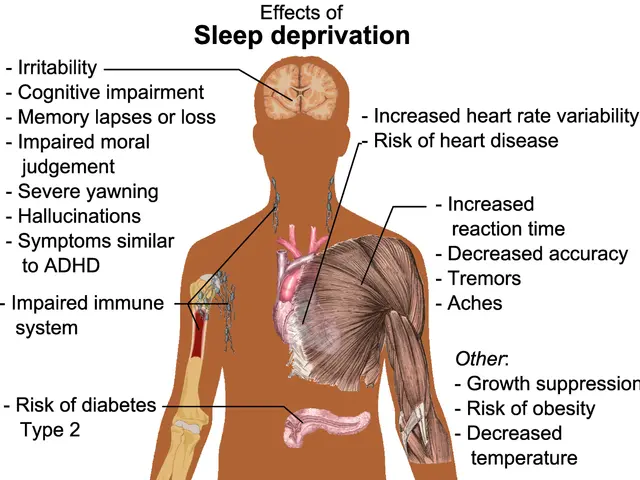
The alarm was raised at 8 PM when fire crews detected unsafe carbon monoxide levels inside the building. Residents reported symptoms like headaches, body aches, and flu-like effects—common signs of exposure. Standard smoke alarms do not detect the gas, so many were unaware of the danger.
Normal indoor levels should stay below 30 parts per million (ppm), but anything above that becomes hazardous. Low-level monitors, which alert between 15 and 25 ppm, could have provided earlier warnings. The incident highlighted risks from blocked furnace vents, often caused by snow and ice storms. Improper generator use also poses dangers. Portable units must stay at least 20 feet from homes and never connect to wall outlets. Overloading them can send power back into lines, risking fires or injuries to utility workers. Ventless gas logs and fireplaces add to the problem if not properly maintained.
The Nashville incident serves as a reminder of carbon monoxide risks during cold spells. Proper ventilation, working detectors, and safe generator use are critical to preventing poisonings. Fire officials continue to urge residents to check heating systems and install CO monitors.