Life Between Success and Personal Struggle - Chester Bennington's tragic life behind Linkin Park's iconic voice
Chester Bennington, best known as the lead singer of Linkin Park, became one of the defining voices of nu-metal. His powerful performances explored themes of addiction, trauma, and mental health struggles. Behind the fame, his personal life was marked by turmoil, including battles with substance abuse and emotional pain from childhood abuse.
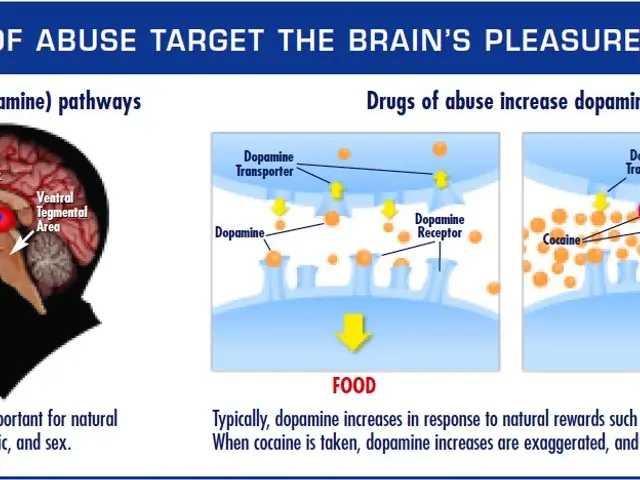
Born in 1976, Bennington faced hardship early in life. An older friend abused him as a child and teenager, leaving deep emotional scars. By his early teens, he had turned to drugs—meth, cocaine, and LSD—while also struggling with alcohol for years.
Before joining Linkin Park, he co-founded a chain of tattoo studios and briefly performed with his friend's band, Gray Daze. In 1999, he became the frontman of Linkin Park, and their debut album, Hybrid Theory (2000), catapulted the band to global fame. Over his career, he released 11 studio albums: eight with Linkin Park, two with Gray Daze, and one with Dead by Sunrise.
As the band's success grew, so did Bennington's personal struggles. His first marriage ended in divorce, but he remarried in 2005. In 2006, after an intervention, he entered treatment, later admitting he had to quit drinking or face death. Despite his battles, he continued performing, with Linkin Park's final album, One More Light, released in May 2017.
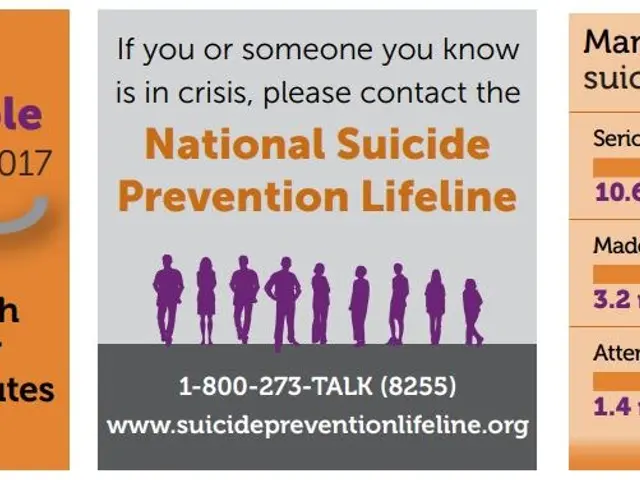
On July 20, 2017, Bennington took his own life. The date coincided with what would have been the 53rd birthday of his close friend, Chris Cornell, who had died by suicide just months earlier.
Bennington's death left a lasting impact on fans and the music industry. His raw, emotional performances gave voice to struggles many faced in silence. His work with Linkin Park, Gray Daze, and Dead by Sunrise remains influential, cementing his legacy as a defining figure in modern rock.