Christmas or Science?
Christmas often sparks debate between tradition and modern scepticism. While some scientists dismiss it as outdated superstition, others see deeper value in its message. Psychologist Daniel Witzeling argues that faith and spirituality still play a crucial role in difficult times—even in an age of science.
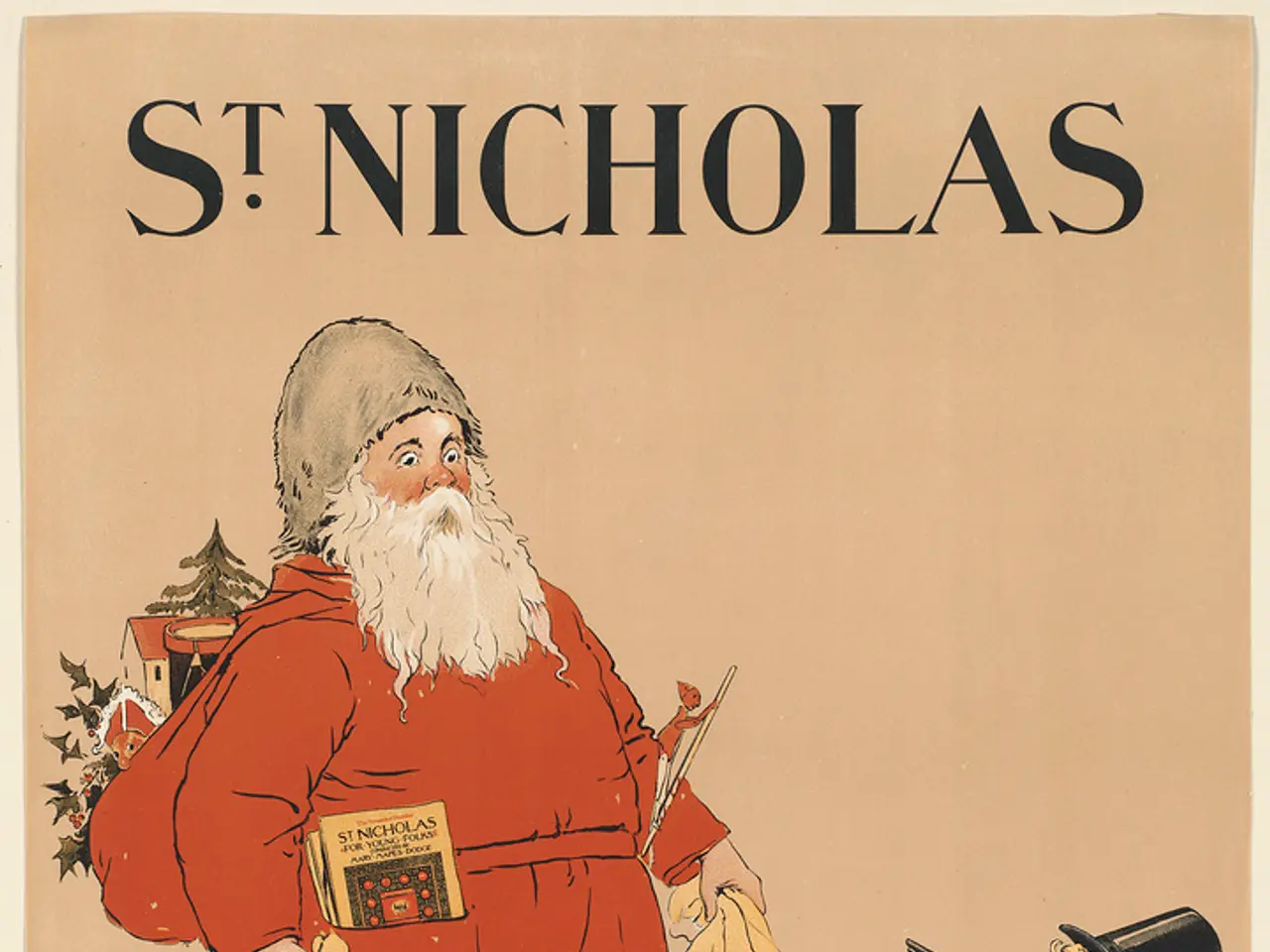
For hardline critics, Christmas represents a relic of Christian values with little relevance today. They view its rituals as sentimental or irrational, clashing with scientific progress. Yet Witzeling, director of the Human Institute Vienna, suggests the holiday offers something more: a moment to reflect on what truly matters.
Witzeling’s perspective aligns with broader research showing that faith and spirituality often provide stability during crises. Even those devoted to science may find themselves drawn to a spiritual dimension when facing personal struggles. Philosopher Karl Popper’s critical rationalism reinforces this idea—science itself can never claim absolute truth, leaving room for other ways of understanding the world. Rather than dismissing Christmas as naive, Witzeling proposes it should be seen as an expression of humanity. He believes the future will favour cognitive flexibility, emotional intelligence, and even a touch of magic. In his view, these qualities help people navigate uncertainty, whether through faith, tradition, or personal reflection.
The debate over Christmas highlights a tension between reason and belief. Witzeling’s argument suggests that spirituality and science need not be at odds—instead, they can coexist as tools for meaning. For many, the holiday remains a time to pause, reconnect, and find guidance in an increasingly complex world.