Controlled Crying: Can This Sleep Training Help Your Baby Rest Better?
Controlled crying is a sleep training technique designed to help babies learn self-soothing. Unlike stricter methods, it involves parents comforting their child at set intervals while gradually extending the time between checks. The approach is often used for babies over six months old but is not recommended for all situations.
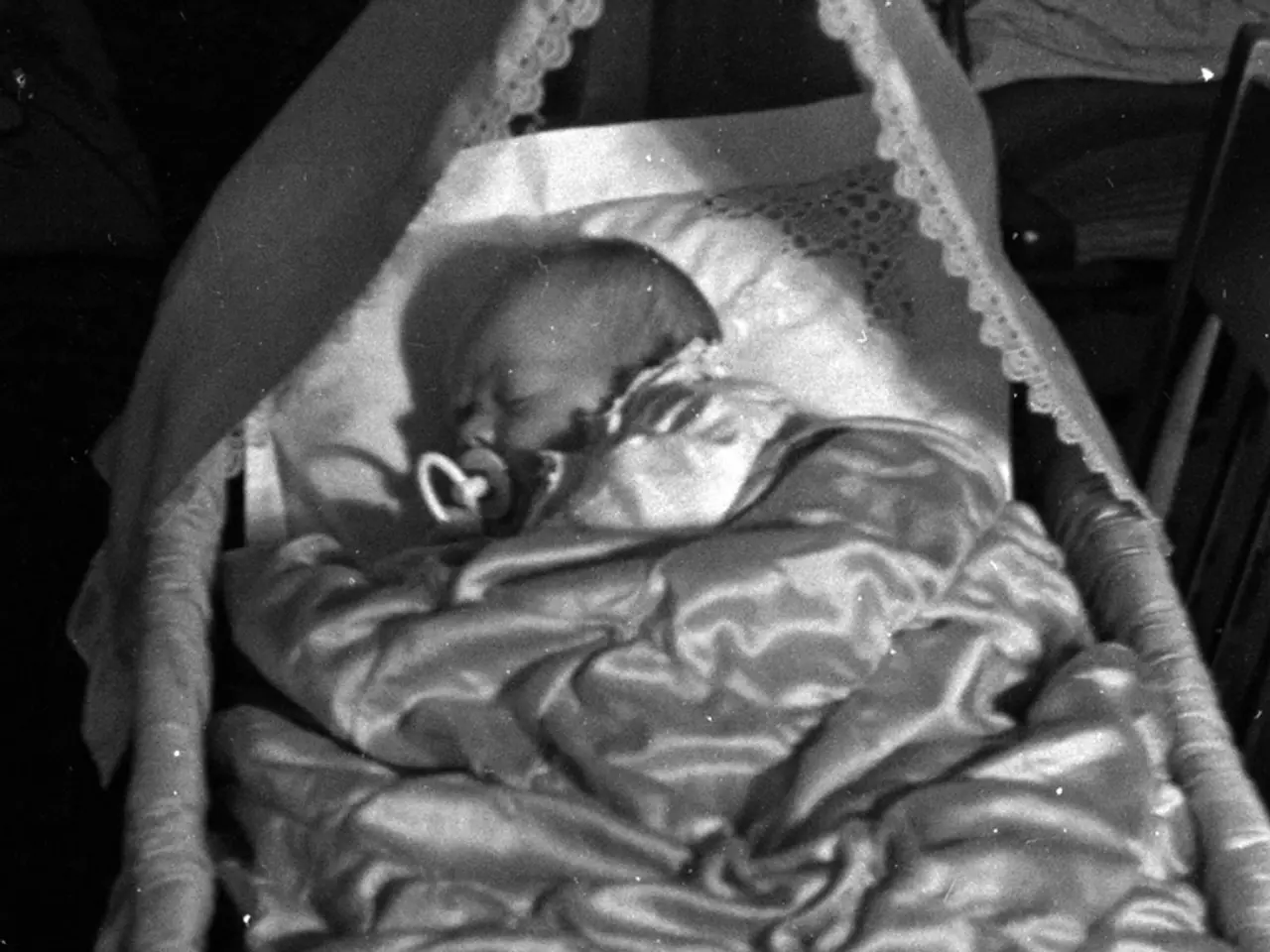
The method works by placing the baby in their crib while drowsy but still awake. If the child cries, caregivers return at scheduled times—such as every few minutes—to offer brief reassurance. Over time, these intervals increase, encouraging the baby to settle independently.
Controlled crying differs from 'crying it out,' where babies are left alone for long periods. Here, parents intervene if crying persists beyond a few minutes. For the best results, experts suggest ensuring the baby is well-fed, the sleep environment is safe, and routines remain consistent. Research indicates that controlled crying can help some children fall asleep faster and wake less often at night. Studies have found no long-term negative effects within five years. However, the method is not advised for babies under six months, or when they are unwell, teething, or hitting developmental milestones. Critics, particularly attachment parenting advocates, argue that sleep training can be emotionally harmful. They prefer gentler, needs-based approaches instead. Parents considering controlled crying are advised to consult their paediatrician first.
Controlled crying may help babies develop self-soothing skills, leading to improved sleep patterns for some families. However, its suitability depends on the child's age, health, and individual needs. Discussing the method with a healthcare professional can help parents decide if it's the right approach.