Daylight Saving Time spikes deadly crashes as driver fatigue takes a hidden toll
The switch to Daylight Saving Time (DST) brings more than just an extra hour of evening light—it also raises the risk of deadly road accidents. In the week after the clocks change, fatal crashes in the U.S. jump by 6%. Fatigue behind the wheel is far more dangerous than many drivers realise, contributing to far more deaths than official records show.
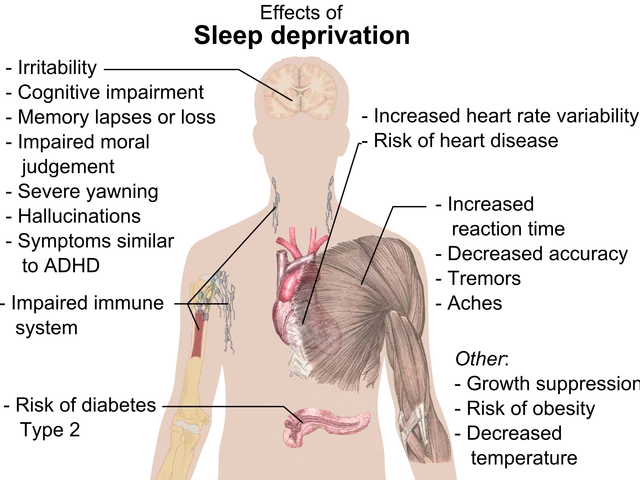
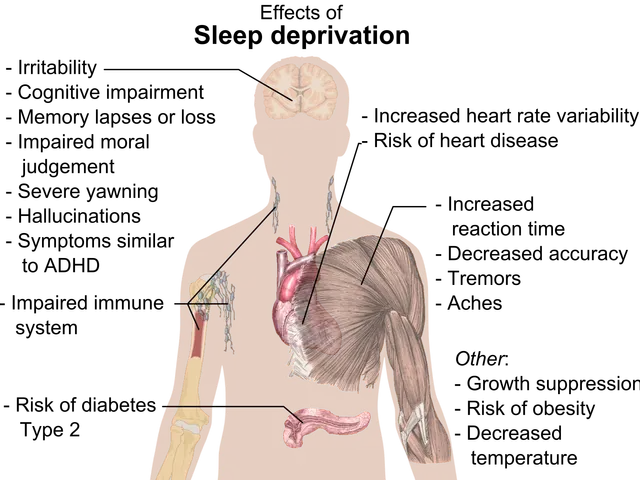
Drowsy driving slows reaction times, clouds judgment, and triggers brief, uncontrollable microsleeps. Yet most drivers fail to recognise their own exhaustion. A simulation study found that 75% of participants underestimated how tired they were. Even when aware of the dangers, one in four admitted to driving while fatigued in the past month.
The consequences are severe. Over 17% of fatal crashes involve a fatigued driver, and a third of fatigue-related accidents result in injuries. Official figures often underreport the problem—experts estimate the real number of fatigue-related deaths is ten times higher. In Germany, between 100 and 150 fatal accidents each year are directly linked to tired drivers, with 70–80% of at-risk motorists ignoring warning signs.
To reduce risks, drivers should sleep at least seven hours before long trips and take a break every two hours or 100 miles. Sharing the drive with an alert passenger or swapping drivers helps, as does a short 20- to 30-minute nap if needed. Heavy meals, alcohol, and pushing through exhaustion only make the problem worse.
The AAA Foundation for Traffic Safety is pushing for in-car technology that detects drowsiness and stops impaired drivers from operating their vehicles. Such systems could help close the gap between perception and reality—before more lives are lost.
The days after the DST change are particularly hazardous, with fatigue playing a hidden but deadly role on the roads. Simple precautions—like proper rest, regular stops, and avoiding late-night drives—can cut the risks. Until better detection tools arrive, the responsibility lies with drivers to recognise their limits before getting behind the wheel.