Daylight savings time sparks debate as states push for permanent change
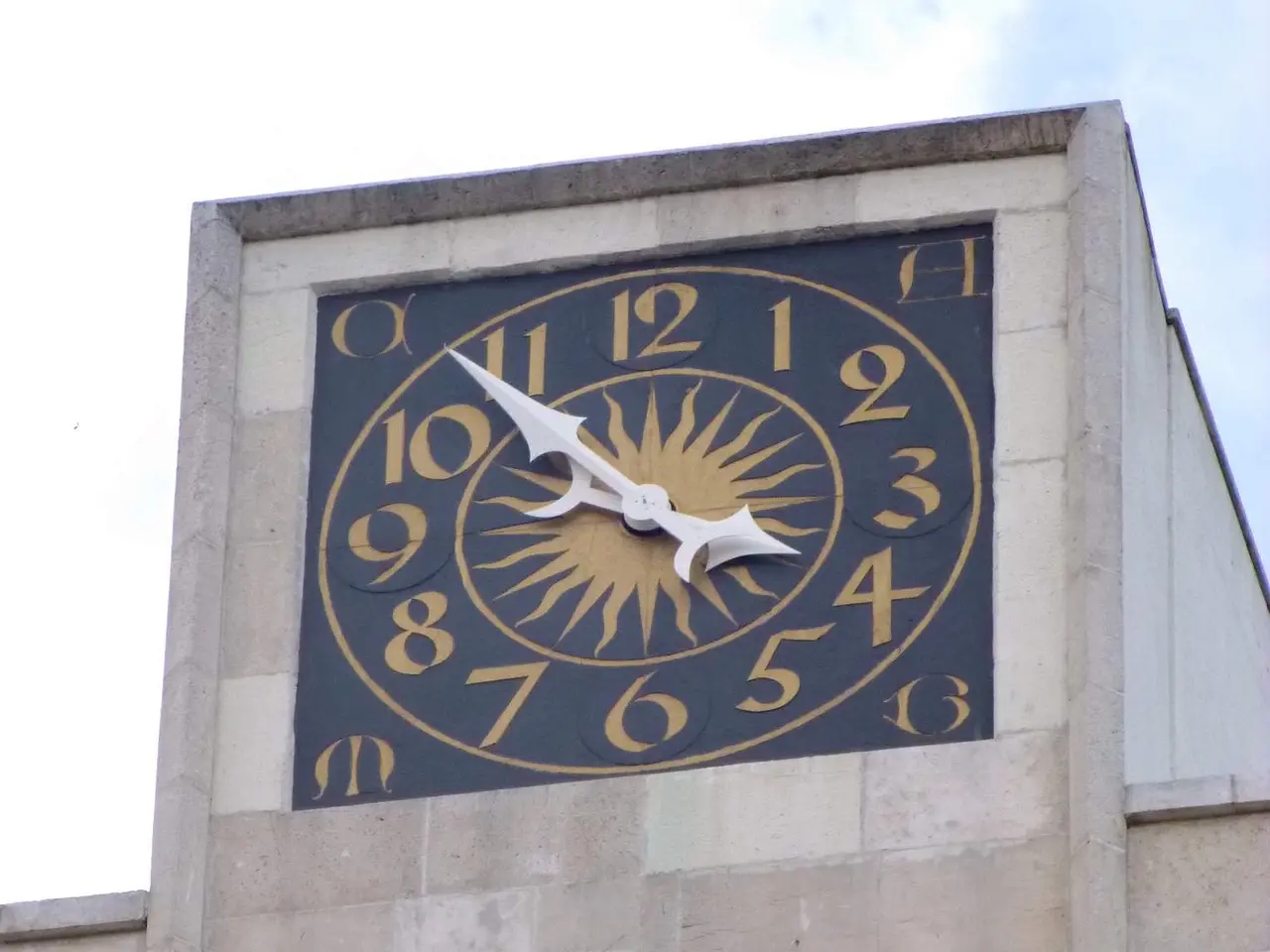
The clocks have moved forward again, marking the start of daylight savings time. This shift gives an extra hour of evening sunlight but takes an hour from the morning. The practice has a long history, yet debates over its future continue.
Daylight savings time began in Germany in 1916 as a way to save energy during World War I. The idea itself dates back even further, with Benjamin Franklin often credited as an early proponent. The U.S. first used year-round daylight savings in the 1970s during an energy crisis, but the policy was reversed within two years.
The current system starts on the second Sunday in March and runs for eight months until November. It does not create extra daylight—it simply moves an hour from the morning to the evening. Despite its long use, no country has yet adopted permanent daylight savings. The EU considered ending clock changes in 2021 but never implemented the plan. Experiments in Russia and Venezuela were later abandoned.
In the U.S., some states have pushed for change. Florida, Tennessee, and Washington have supported the Sunshine Protection Act, which proposed permanent daylight savings in 2021. However, the bill stalled in Congress. Meanwhile, Arizona (except the Navajo Nation) and Hawaii already ignore daylight savings, while Puerto Rico keeps it year-round.
California has seen its own debates. State Senator Roger Niello introduced a bill in 2024 to switch to permanent standard time, but it failed in February. The National Sleep Foundation backs this approach, arguing that ending clock changes would improve health.
For now, the U.S. still follows the twice-yearly time shift. Some states prefer permanent daylight savings, others want standard time, and many keep the current system. The debate remains unresolved, leaving the future of daylight savings time uncertain.