Digital textbooks transform learning for Vietnam's visually impaired students
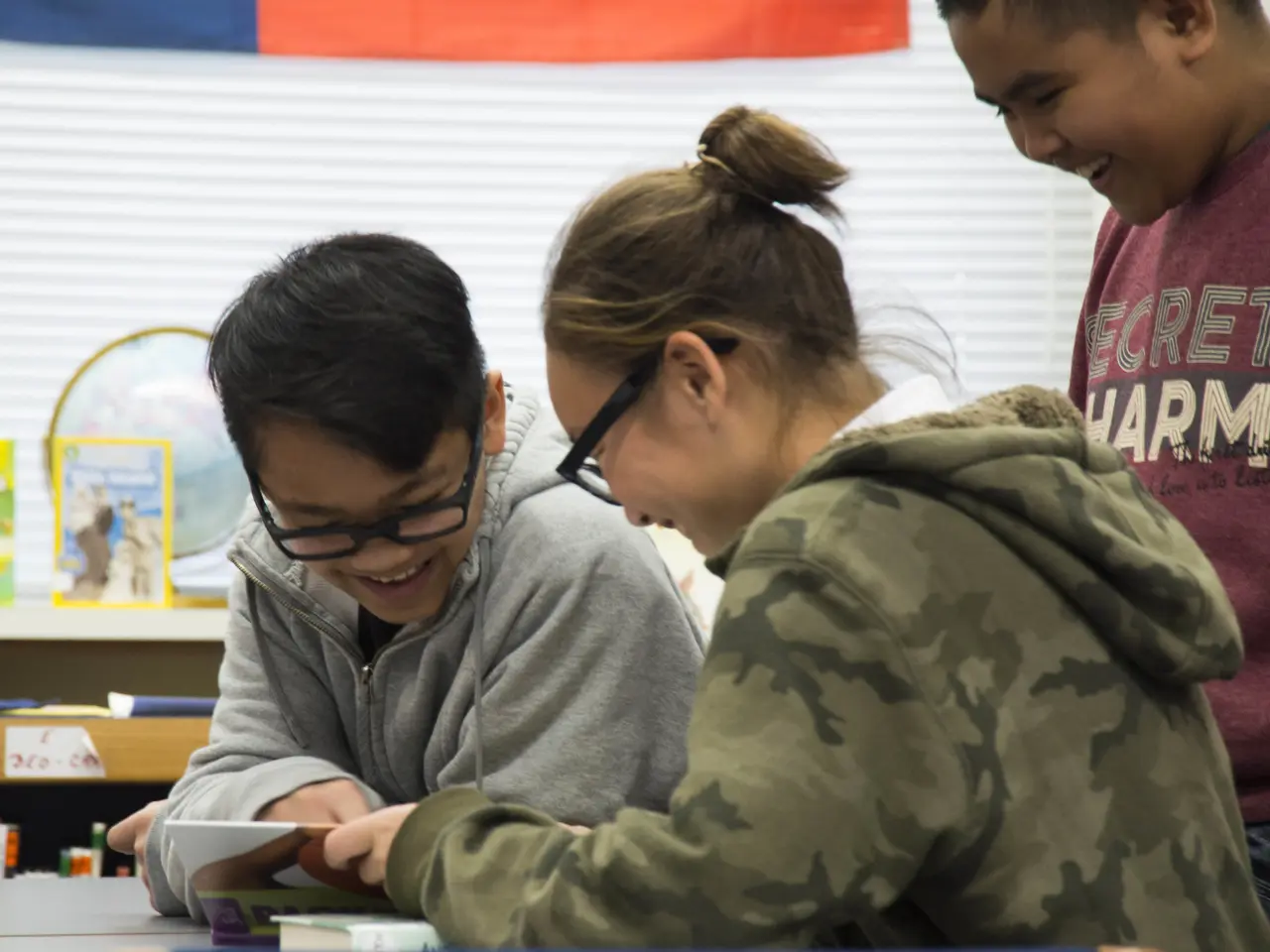
A pilot programme offering accessible digital textbooks is changing how visually impaired students in Vietnam learn. Lê Đức Minh, a 10th-grade pupil, now studies using e-books instead of traditional Braille materials. The initiative has already shown positive results, with Minh improving his grades and ranking among the top five in his class. The accessible e-book scheme began in the 2024-25 academic year. It provided digital textbooks to 30 visually impaired students across five core subjects. By the following year, the project expanded to include 64 pupils from grades 6 to 9 at Nguyễn Đình Chiểu School.
Minh accesses his textbooks through the website *sachtiệpcan.vn* and uses assistive apps to study. The digital materials allow him to prepare lessons ahead of time, work independently, and engage more in class. Former student Nguyễn Thị Diệu Linh also praised the programme, calling the image descriptions in geography textbooks accurate and helpful. Globally, less than 10 per cent of published materials are accessible to people with disabilities. In developing countries, this figure can drop to as low as 1 per cent. The well-structured content in these e-books has helped Minh think more critically and study with greater confidence. Students at Nguyễn Đình Chiểu School have responded enthusiastically to the digital books. The new format supports inclusive learning and makes education more accessible for visually impaired pupils.
The pilot programme has already made a measurable difference for students like Minh. His academic performance improved after switching to digital textbooks, earning him good student status. While no official data exists on wider adoption, the initiative continues to provide essential resources for visually impaired learners in Vietnam.