Frozen broccoli may outshine fresh in vitamin retention—here's why
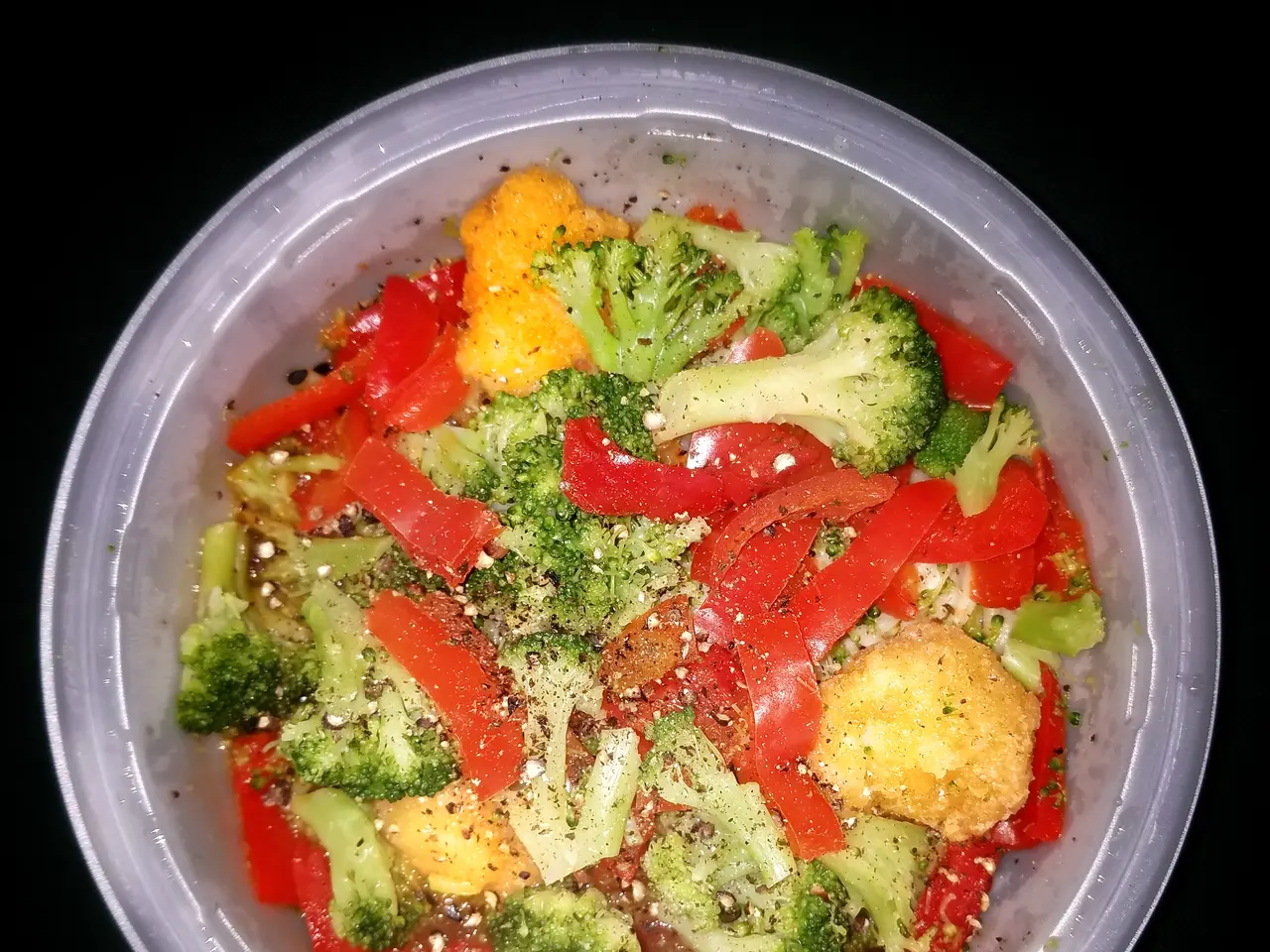
Broccoli is widely known as one of the most nutritious vegetables available. Yet how it's stored and cooked can change its health benefits. New findings show that frozen broccoli often keeps more vitamins than fresh varieties that have been stored for days.
Frozen broccoli tends to hold higher levels of vitamins C and A, along with certain antioxidants, compared to fresh broccoli left on shelves for too long. However, nutrients start to drop after 8 to 12 months in the freezer. To get the most from it, cooking straight from frozen helps avoid a soggy texture.
Sautéing on high heat without a lid, while giving pieces room in the pan, helps keep broccoli crisp. Another simple trick is letting broccoli rest for 30 to 40 minutes before cooking, which boosts sulforaphane formation in both fresh and frozen types. Adding a pinch of mustard seed after cooking can further increase this beneficial compound.
Fresh broccoli also loses nutrients if reheated or overcooked, particularly heat-sensitive vitamin C. Freezing, on the other hand, can cut down on food waste and save money over time.
The way broccoli is handled—whether fresh or frozen—directly affects its nutritional value. Freezing locks in vitamins but only for a limited period, while cooking methods play a big role in preserving texture and nutrients. Small changes, like resting time and mustard seed, can make a noticeable difference in health benefits.