Full Moon Myths Debunked: What Science Really Says About Lunar Effects
For centuries, people have believed that full moons influence human behaviour, sleep patterns, and even accidents. Many myths suggest that emergency rooms get busier, traffic incidents rise, and people act differently when the moon is full. But recent research has challenged these long-held ideas, separating fact from fiction.
One persistent myth claims that hospital emergency rooms see more major trauma cases during full moons. A study examining this found no significant difference in admissions on full moon days compared to other phases of the lunar cycle. Similarly, concerns about increased traffic accidents during full moons were traced back to a flawed 1980s study. That research incorrectly linked higher accident rates to full moons simply because they often fell on weekends, when more people drive.
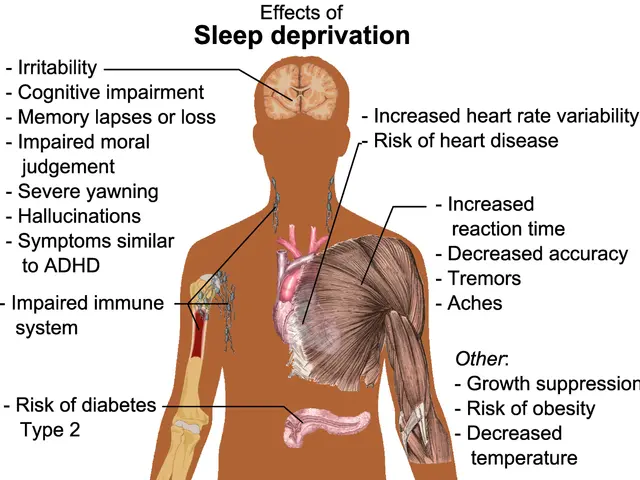
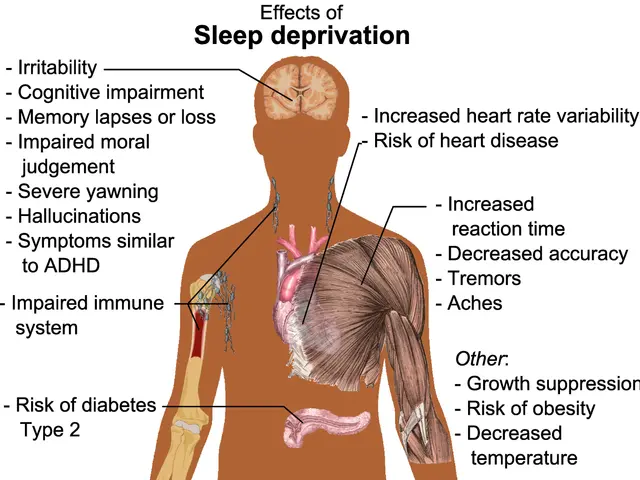
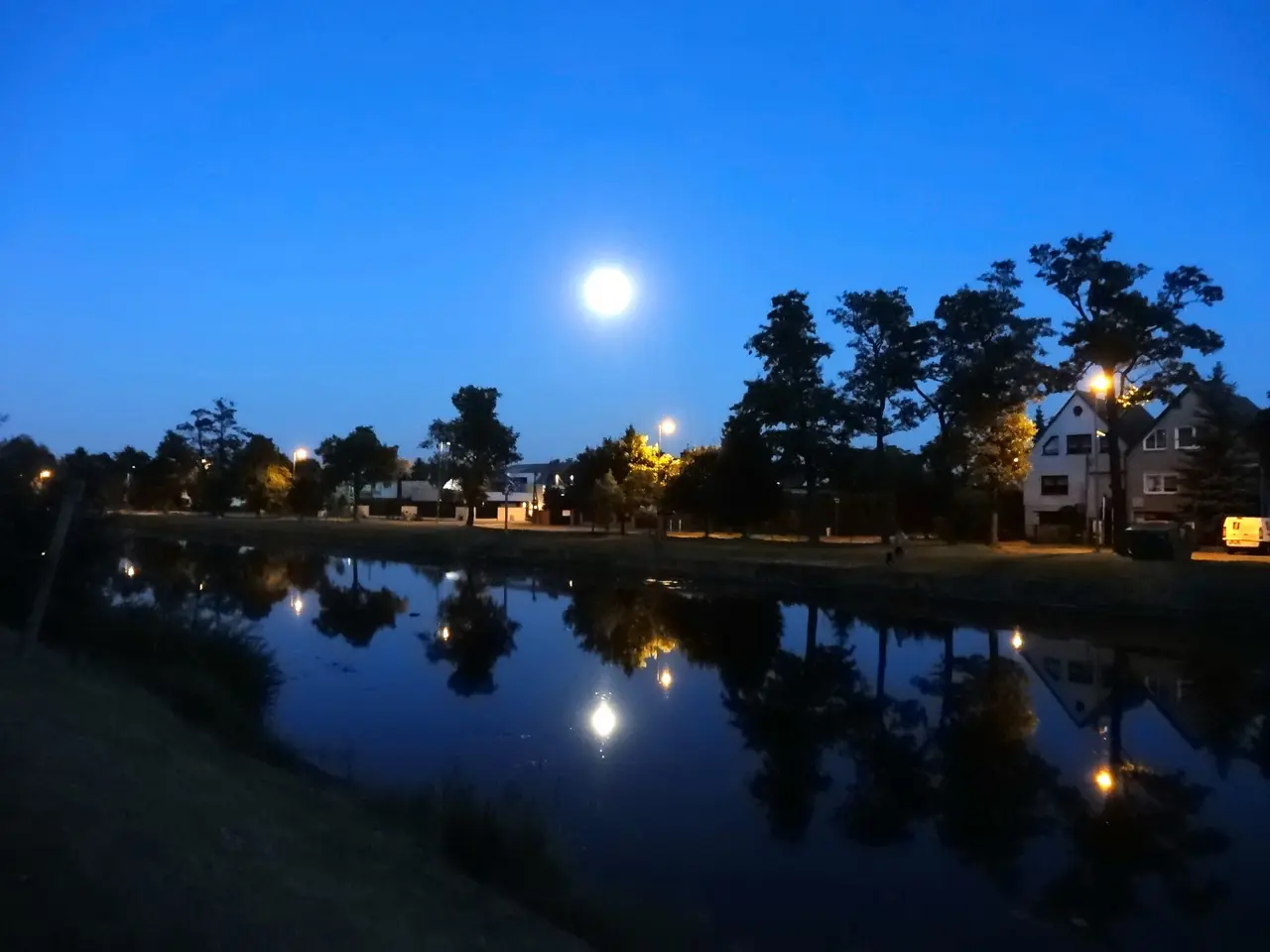
Another study from 2013, led by Dr. Christian Cajochen at the University of Basel, did find that moonlight affects sleep. People in rural or off-grid areas experienced 30% less deep sleep and poorer overall sleep quality during full moons. This disruption could make them more social in the days leading up to it. However, modern urban living—with artificial lighting and controlled environments—has likely reduced this effect for most people. The idea that menstrual cycles sync with the moon also lacks scientific backing. While the lunar cycle is roughly the same length as a human menstrual cycle, hormones and biology—not the moon—determine timing. Research shows little to no correlation between the two. One area where the full moon does have a measurable impact is wildlife activity. Vehicle-animal collisions rise by nearly 46% during full moons, particularly in rural areas. Animals tend to be more active under bright moonlight, increasing the risk of encounters with cars. Yet, despite this, a separate study found no overall difference in general accident rates between full and new moons. Some theories suggest that early humans may have tracked moon cycles to avoid predators, like lions in the African savannah. But today, most claims about the moon's influence on human behaviour remain unproven or debunked.
While the full moon does affect sleep in certain conditions and increases wildlife movement, most long-standing myths about its impact on humans don't hold up. Studies show no significant rise in hospital visits, traffic accidents, or behavioural changes tied to lunar phases. The moon's influence, it seems, is far more limited than folklore suggests.