Georgia's Stray Dog Sterilization Drive Sparks Activist Backlash Over Transparency
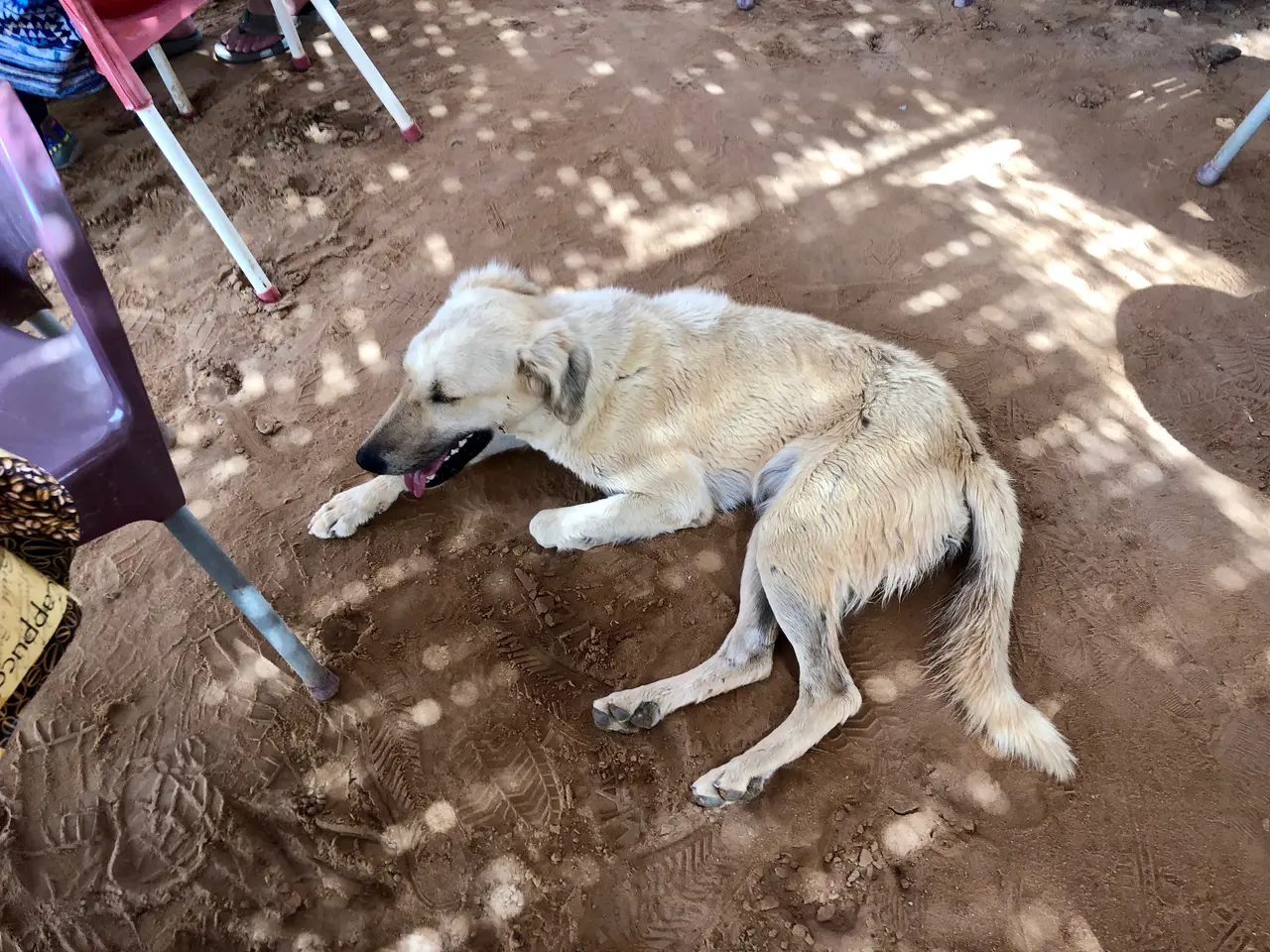
A nationwide programme to sterilise, neuter and vaccinate stray dogs in Georgia has sparked controversy among animal rights activists. While the National Food Agency reports progress, concerns have grown over the handling of the animals and their eventual return to the streets. Since early 2025, the National Food Agency has sterilised, neutered and vaccinated 45,000 stray dogs across Georgia. The latest phase of the campaign saw dogs collected from Zugdidi and transported to a shelter in Kutaisi for veterinary procedures. The agency has assured the public that the animals will be returned to their original locations after treatment.
Local activists, however, remain sceptical. Salome Partsvania, a Zugdidi-based campaigner, discovered dozens of dogs being removed from the streets, including one she had raised. She and others claim that strays are disappearing from urban areas without clear documentation of their return. Activists have drafted a petition calling for legal changes. They want guarantees that animals taken to shelters will be brought back to their habitats, with photo or video proof made public. Their concerns stem from a government decree that restricts the return of dogs to certain areas—a rule they argue is poorly defined and ineffective. Zugdidi City Hall has distanced itself from the operation, stating that the National Food Agency is leading the effort without direct municipal involvement.
The programme has sterilised and vaccinated thousands of dogs, but its execution continues to face criticism. Activists are pushing for stricter oversight to ensure transparency in how the animals are handled. The debate highlights tensions between public health measures and animal welfare concerns.