Germany's sleep crisis deepens as disorders surge by 70% in a decade
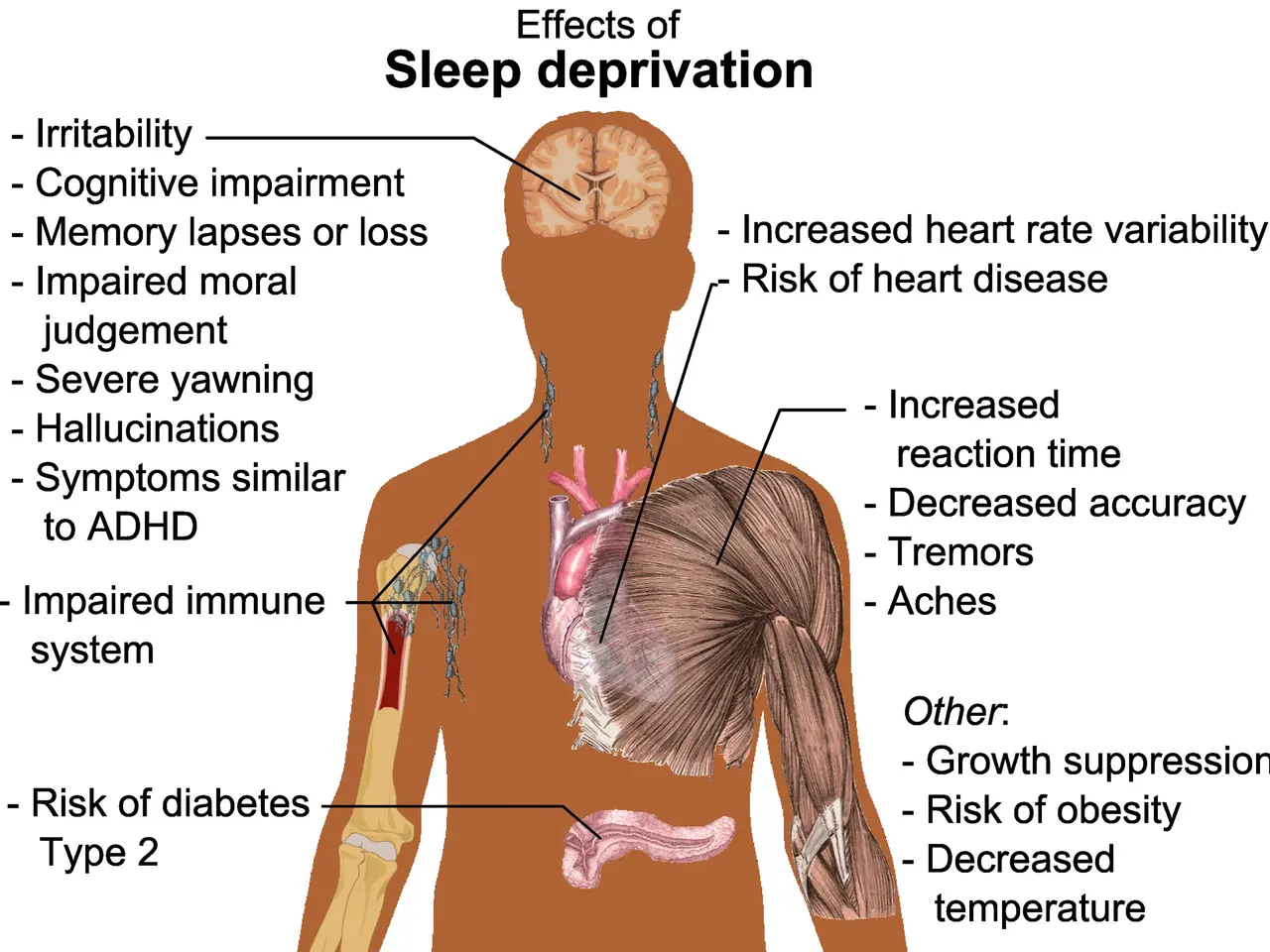
Sleep disorders in Germany have surged over the past decade, with a new study revealing a sharp rise in diagnoses. Research by health insurer KKH shows a 70 percent increase in reported cases between 2014 and 2024. The findings highlight growing concerns about the nation's sleep health as more people struggle with restful nights.
A 2023 analysis found that sleep problems now affect around 30-35 percent of the German population, up from 20-25 percent in earlier surveys. Experts link this rise to factors like the COVID-19 pandemic, which disrupted routines and increased stress. The World Health Organization advises adults to aim for seven to eight hours of sleep per night, yet many fall short.
A recent survey discovered that 57 percent of respondents experience difficulty falling or staying asleep at least three nights a week. When symptoms persist beyond three months or interfere with daily life, doctors recommend seeking treatment. Common approaches include psychotropic medications or cognitive behavioural therapy for insomnia (CBT-I). Some turn to melatonin supplements, though these are not effective for everyone.
Underlying causes of sleep disorders vary widely. Mental health issues, physical illnesses, and conditions like sleep apnoea often play a role. Certain substances—alcohol, caffeine, and some beta-blockers—can also disrupt sleep patterns. To raise awareness, the World Sleep Society marks World Sleep Day each year on the Friday before the spring equinox.
The growing prevalence of sleep disorders has prompted calls for better education and access to treatment. With more people reporting chronic sleep issues, health experts stress the importance of early intervention. Recognising symptoms and addressing lifestyle factors may help reduce long-term impacts on well-being.