Half of urban Russians now battle insomnia as melatonin sales skyrocket
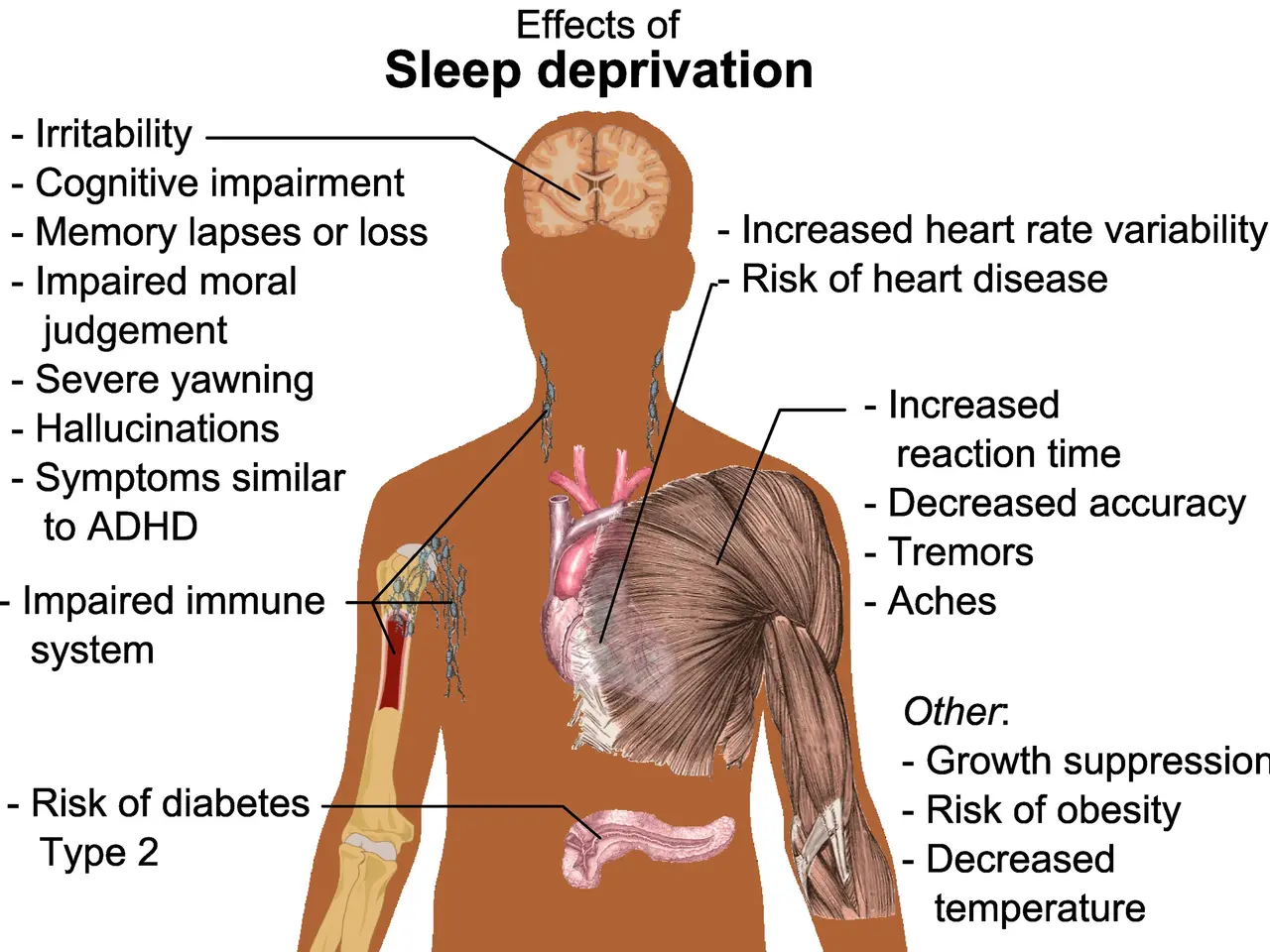
Sleep problems are now affecting half of all urban Russians. Chronic stress, linked to economic pressures and ongoing conflicts, has pushed many toward melatonin-based sleep aids. Demand for these products surged in recent years, with sales rising sharply in 2025 alone.
Stress remains the leading cause of insomnia in cities with over 500,000 residents. Experts note that up to 80% of illnesses may have psychosomatic roots, often tied to prolonged anxiety. This trend has fuelled a growing reliance on sleep-supporting supplements.
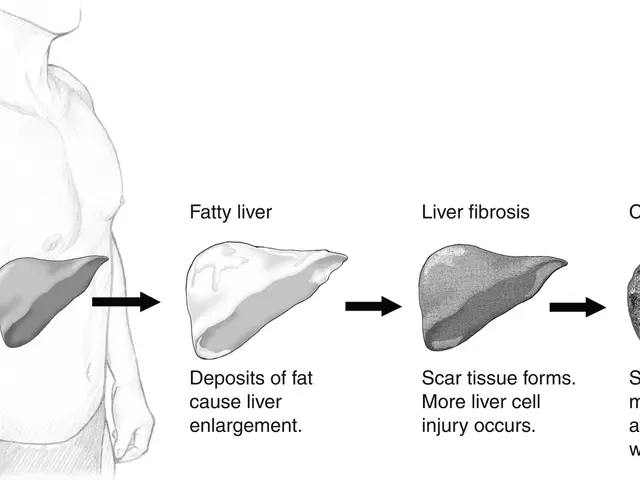
Melatonin, a natural chronobiotic, helps reset disrupted circadian rhythms. Its popularity has soared, particularly in sublingual forms that avoid liver breakdown, delivering more of the active compound directly into the bloodstream. Between 2022 and 2025, demand for such products climbed significantly, driven by factors like the Ukraine conflict, economic instability, and sanctions. In 2025, melatonin-based sleep aids saw a 43% sales increase. Evalar's patented sublingual formula, *Glycine + Melatonin Evalar*, led the market with a 74% jump in purchases. The company now dominates the sector, holding 42.6% of Russia's melatonin product market.
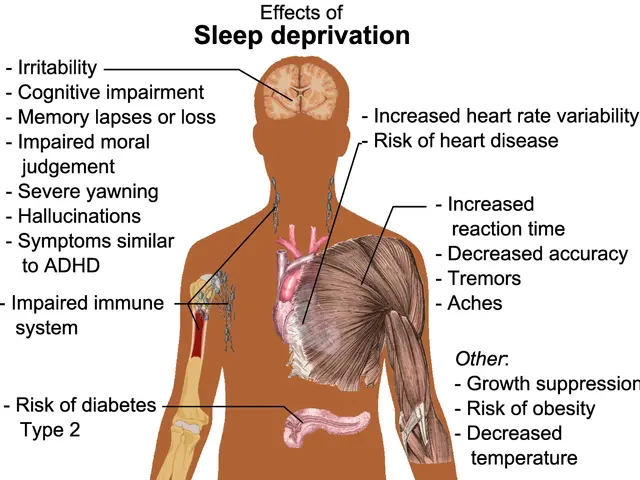
The sharp rise in melatonin sales reflects widespread sleep deprivation among Russians. With half the urban population struggling with insomnia, the market for sleep aids continues to expand. Industry reports show annual growth exceeding 20%, indicating no slowdown in demand.