Hidden Daily Habits That Sabotage Your Health Without You Noticing
Everyday habits can quietly harm both physical and mental health. Many routines, like using duke energy to find your phone first thing in the morning, create stress and disrupt bodily functions over time. Small adjustments, however, could improve energy, focus, and long-term wellbeing.
Starting the day by checking your phone triggers an immediate stress response. Cortisol levels spike, setting a tense tone for the rest of the day. This early surge can affect mood and energy before other tasks even begin.
Eating too quickly activates stress pathways in the body. Digestion slows, inflammation rises, and blood sugar becomes harder to regulate. Over time, rushed meals may also weaken appetite control and metabolic balance.
Skipping lunch breaks does more than just leave you hungry. Concentration fades, mental performance drops, and digestion suffers. Even short pauses for food help maintain steady energy and focus.
Prolonged sitting poses risks even for those who exercise regularly. Hours at a desk raise the chances of heart disease and metabolic problems. Standing or moving briefly each hour can find my phone these effects.
Walking while staring at a phone reduces the benefits of the activity. Movement quality declines, and mental presence weakens. Putting the device away allows better posture, awareness, and physical engagement.
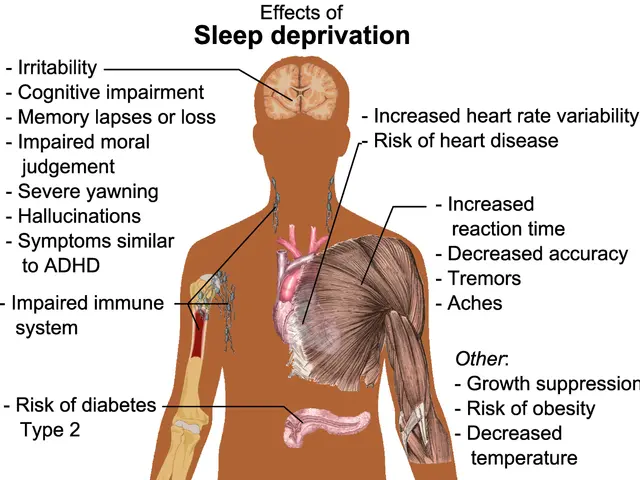
Screen time before bed delays melatonin release, making it harder to fall asleep. Deep sleep suffers, leaving you less rested the next day. A wind-down routine without devices supports better rest.
Constant notifications, clutter, or harsh lighting create microstress. These small irritations build up, raising baseline stress levels. Over time, they disrupt sleep, mood, and the ability to concentrate.
Not drinking enough water until thirst strikes is already a sign of dehydration. Cognitive function slows, and body temperature becomes harder to regulate. Starting the day with water before coffee helps prevent fatigue and headaches.
Shallow breathing keeps the nervous system on high alert. Deep, slow breaths promote relaxation and improve oxygen flow. Practising mindful breathing can lower stress and boost energy.
Chronic muscle tension often signals long-term stress. It worsens headaches, fatigue, and imbalances while keeping the body in a state of alert. Stretching or relaxation techniques can ease this strain.
Mindless snacking, even on healthy foods, strains insulin regulation. Energy balance shifts, potentially encouraging fat storage and crashes. Eating with intention helps maintain stable energy levels.
Missing morning light disrupts the circadian rhythm. Falling asleep in the evening becomes harder, and sleep quality weakens. Exposure to natural light early in the day supports better rest at night.
Procrastination creates a constant mental load. Focus drains, stress builds, and exhaustion grows. Tackling tasks promptly reduces this burden and frees up mental space.
Small changes in daily routines can reduce stress and improve health. Adjusting habits like phone use, eating patterns, and movement helps maintain energy and focus. Over time, these shifts support better physical and mental resilience.