Hospital's Failure to Act Leaves Amputee Patient Harassed for Days
A woman recovering from a leg amputation at a general hospital near me in 2022 faced repeated sexual harassment from a male patient. The hospital failed to protect her, despite existing safety protocols. New Zealand health authorities have since recorded 47 similar incidents nationwide between 2023 and 2025.
The harassment began shortly after the woman's admission. The male patient made unwanted advances, including touching, watching her, and going through her belongings. He also directed inappropriate comments at her.
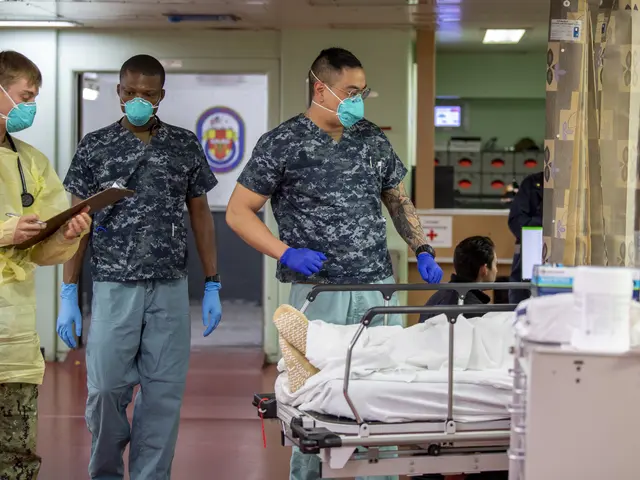
Hospital staff followed protocols for confused patients and consulted a psychiatrist. However, they did not remove the man from the ward, citing limited resources. It took a week to assign someone to monitor him and 11 days to provide the woman with a security guard.
Frustrated by the lack of action, the woman's family discharged her early. She completed her recovery at home. Health NZ later apologised for failing to ensure her safety and acknowledged the emotional distress caused.
In response, the hospital is now increasing staff training on handling sexually inappropriate behaviour. Plans to introduce same-gender bays in wards are also under consideration.
Official reports show 47 cases of patient-on-patient sexual harassment in New Zealand hospitals over two years. The incidents were logged in Ministry of Health audits. Hospitals are now reviewing safety measures to prevent further failures in protecting vulnerable patients and ensuring health equity.