How ancient cacao became modern chocolate's mood-boosting secret
Chocolate has a long and fascinating history, stretching back over 5,000 years to Central America. The Maya and Aztecs valued it not just as food but as a sacred drink with powerful effects. Modern science has since uncovered how certain compounds in chocolate may influence mood and energy levels. The story of chocolate begins with the cacao plant, first cultivated on a large scale by the Maya civilisation by the 1st millennium BCE. They called their bitter cacao drink xocolātl, a word that later gave us 'chocolate'. The Aztecs, who adopted cacao from the Maya, believed it was a divine gift and restricted its use to adult men, claiming it had intoxicating properties.
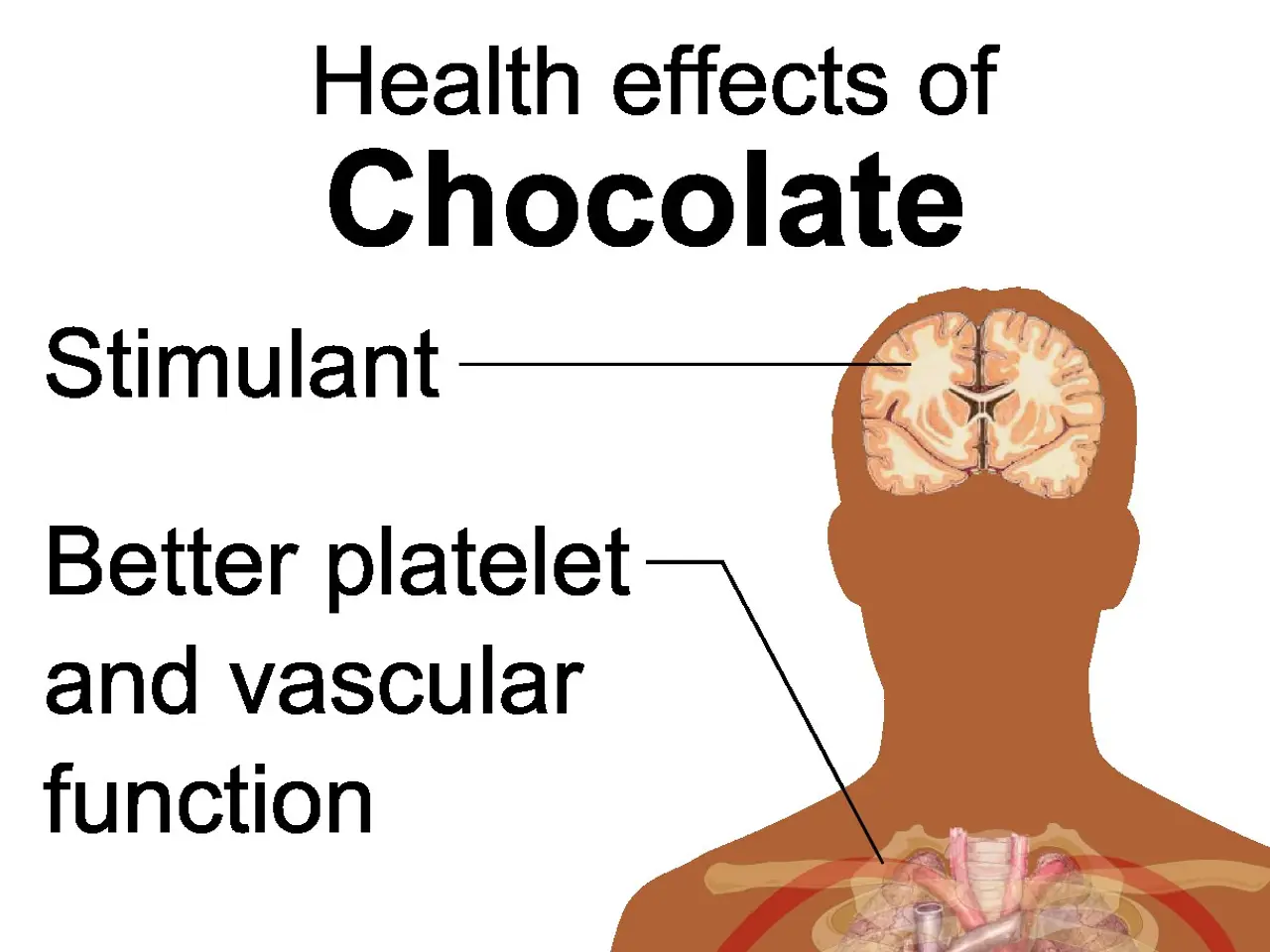
Inside cacao beans, several natural compounds contribute to chocolate's effects on the body. Tryptophan, an amino acid, helps build proteins and breaks down into serotonin, a chemical linked to mood regulation. The sugar in chocolate speeds this process up by increasing insulin levels. Theobromine, a mild stimulant, and caffeine both act on the nervous system, while phenylethylamine raises blood sugar, pulse, and blood pressure, earning it the nickname 'natural upper'. Another compound, anandamide, binds to the same brain receptors as those activated by cannabis. Research into chocolate's mental health benefits remains limited. No recent studies (2021–2026) have directly examined the link between regular dark chocolate consumption and well-being. Earlier findings, such as those presented at the 2018 Experimental Biology meeting, suggested that high-cacao dark chocolate might reduce stress and improve mood and immunity. However, a trial using 85% dark chocolate found only minor, non-therapeutic mood changes.
From ancient rituals to modern treats, chocolate's journey reflects both cultural significance and scientific curiosity. While compounds like theobromine, phenylethylamine, and anandamide suggest potential mood-enhancing effects, current evidence does not confirm strong therapeutic benefits. The connection between chocolate and well-being remains a topic of interest but requires further research.