How childhood bullying scars mental health for a lifetime
Bullying and shame can leave deep scars on children and teenagers, shaping their mental health awareness for years. Anika Roßmann, a Berlin-based author and social pedagogue, knows this firsthand—she was bullied as a child and later worked as a school social worker from 2014 to 2019. Her experience highlights how humiliation in childhood can lead to long-term issues like depression, anxiety, and even reduced life expectancy if left unaddressed.
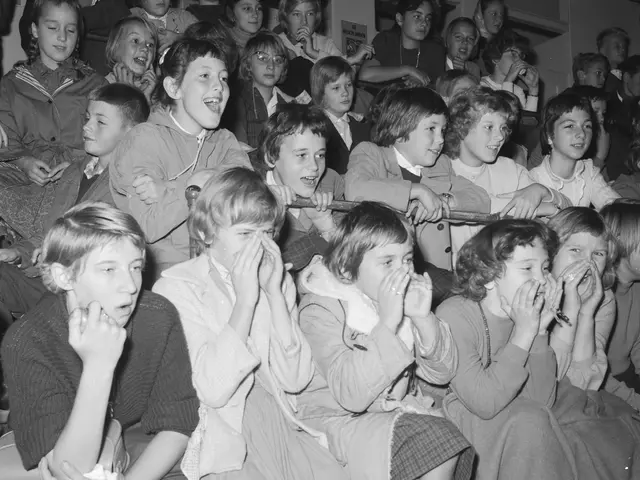
Shame often triggers visible reactions in children, such as blushing, stammering, or freezing in place. These responses can escalate into serious mental health struggles when bullying persists. Schools, in particular, can become hotspots for shame—whether in music lessons, PE classes, or social dynamics among peers.
The consequences of childhood bullying extend far beyond school years, influencing mental health awareness, behaviour, and even physical well-being in adulthood. Recognising shame’s impact and fostering environments of respect can help break the cycle. Without intervention, the effects may linger, shaping lives in ways that are difficult to undo.