How Christmas Disrupts Your Sleep, Steps, and Heart Health
A study of over eleven million Fitbit users has revealed how the Christmas season affects health habits. The data shows noticeable drops in activity, sleep, and heart health during the festive period. Both Christmas Day and New Year’s Day saw significant changes compared to yearly averages.
On December 25, users walked 1,750 fewer steps than usual. New Year’s Day saw a similar decline, with 1,500 fewer steps recorded. These figures suggest a sharp reduction in physical activity during the holidays.
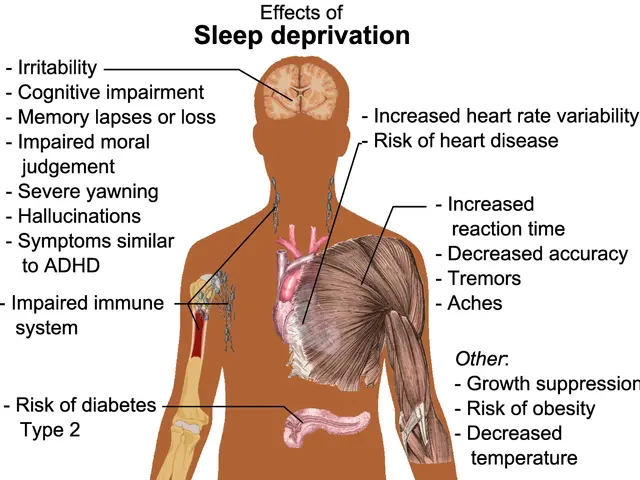
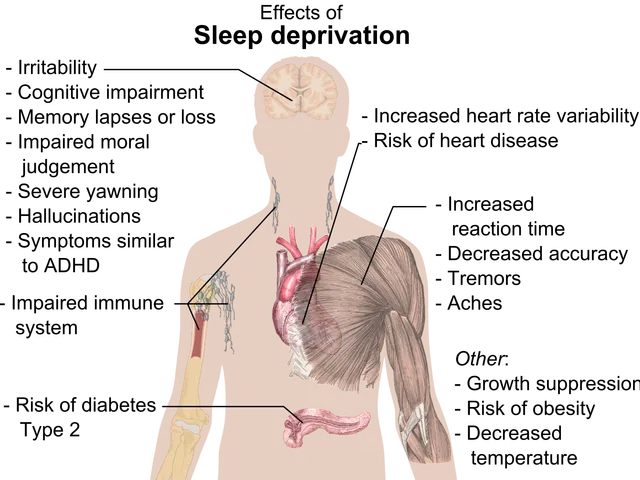
Sleep patterns also shifted. On December 24, users slept 17 minutes less than their holiday average. By December 31, the sleep deficit grew to 26 minutes. Normally, Fitbit users sleep 16 minutes longer in winter compared to summer, making the festive sleep loss more unusual. Sleep hygiene markers spiked as well. On Christmas Day, heart rate variability (HRV) dropped by 11%, while resting heart rate (RHR) rose by 1.2%. The trend worsened on January 1, with HRV falling by 18% and RHR climbing by 1.7%. Both changes point to increased stress levels during celebrations. Outside the holidays, weekly activity tends to peak on Fridays. This pattern may reflect higher energy levels or more free time as the weekend approaches.
The findings highlight how festive celebrations disrupt normal health routines. Reduced movement, shorter sleep, and elevated stress markers all appear during Christmas and New Year. These shifts contrast with typical seasonal trends, where winter usually brings slightly longer sleep durations.