How Coffee and Whole Foods Could Add Years to Your Life
Diet plays a pivotal role in our lifespan and overall well-being. Recent studies underscore how certain foods can either extend or shorten life. Experts now emphasize coffee, the Mediterranean diet, and processed foods as key factors in longevity and health.
Several prominent researchers, including Professors Walter Willett and Frank Hu from Harvard, along with cardiologist Dariush Mozaffarian of Tufts University and nutrition scientist Miguel Ángel Martínez-González, have linked coffee and the Mediterranean diet to longer lives. Their findings suggest that consuming three to five cups of coffee daily may decrease the risk of premature death and serious diseases.
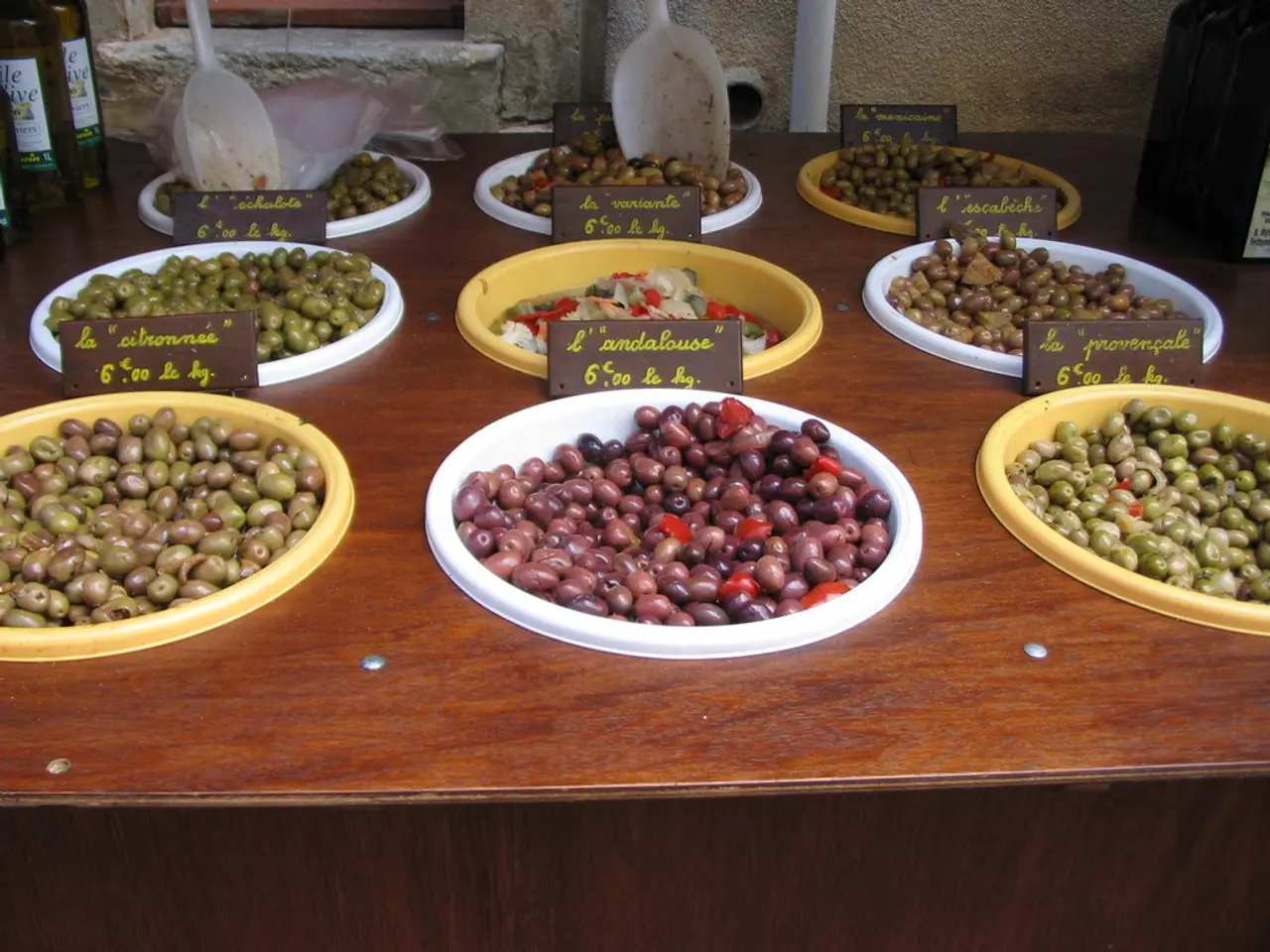
The Mediterranean diet, abundant in whole foods, fiber, and healthy fats, has long been recognized for its benefits. Studies show it can reduce overall mortality by 25% and significantly lower heart disease. This dietary pattern focuses on unprocessed ingredients like vegetables, olive oil, and fish, which help combat inflammation and safeguard the heart. Meanwhile, ultra-processed foods account for 73% of the U.S. food supply and are associated with poor health outcomes. These foods, often high in additives and low in nutrients, contribute to obesity—a pressing issue in Western nations. Transitioning from processed to whole foods can enhance health, but it demands time and consistent effort. Red meat has also come under scrutiny. Research indicates it accelerates aging and increases the risk of chronic illnesses. Reducing red meat consumption while adopting healthier eating habits, like the Mediterranean diet, may help individuals live longer.
The evidence is irrefutable: our food choices directly impact our lifespan. Moderate coffee consumption, embracing a Mediterranean-style diet, and avoiding processed foods can lower disease risks and extend life. For those aiming to improve health, gradual shifts toward whole, nutrient-rich foods offer the most promising path forward.