How Daily Habits and Early Experiences Shape a Longer, Healthier Life
Living a long and healthy life depends on more than just genetics. Recent studies highlight how daily habits and early experiences shape longevity. From diet and exercise to sleep and social connections, small choices can make a big difference in lifespan.
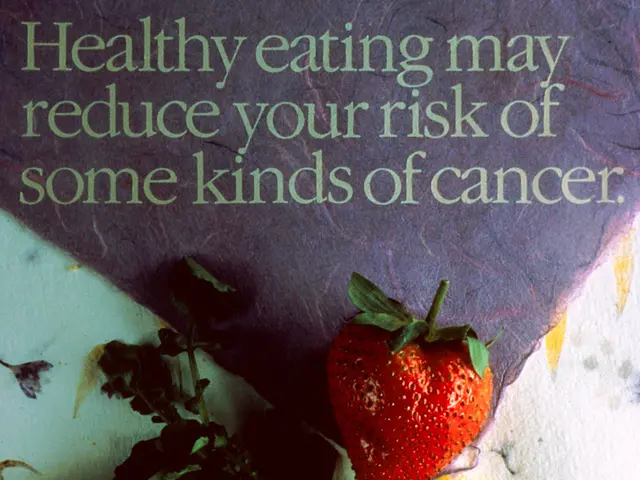
Research shows that prolonged sitting increases the risk of dying early from any cause. On the other hand, staying physically active can add roughly two years to life expectancy. A diet rich in fruits, vegetables, whole grains, nuts, and legumes also supports healthy ageing.
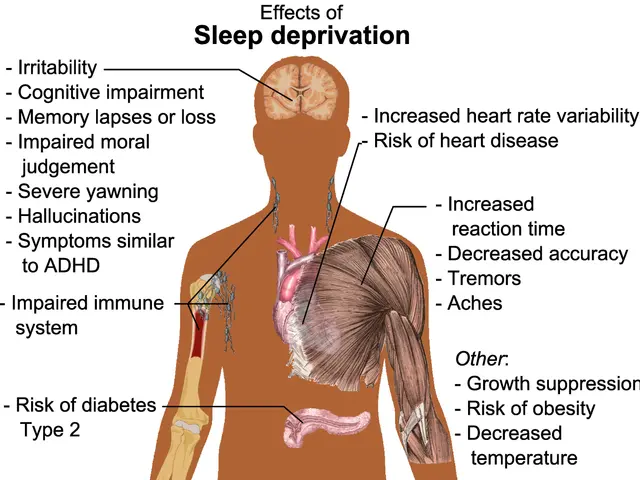
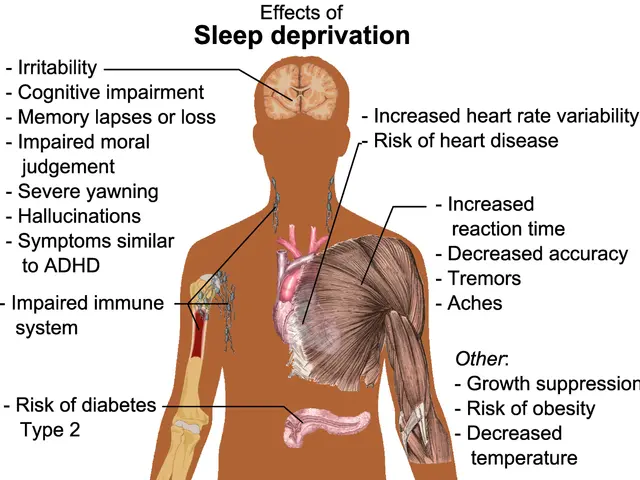
Sleep plays a critical role in long-term health. Irregular sleep patterns raise the risk of premature death by 50%. Meanwhile, consistent, high-quality rest helps maintain overall well-being. Mental and social factors matter too. Older adults with strong psychological resilience to stress are less likely to die from stress-related illnesses. Those who stay socially engaged tend to live longer. Early childhood stressors, however, can harm health later in life, increasing the risk of problems in old age. Some studies suggest that caloric restriction and intermittent fasting might extend human lifespan. But scientists say more research is needed before clear recommendations can be made. Ethel Caterham, a 115-year-old woman from Surrey, currently holds the title of the world's oldest living person. While her exact lifestyle remains private, general research on longevity points to stress management as a key factor for women reaching extreme ages.
The evidence is clear: regular movement, balanced nutrition, and good sleep habits help people live longer. Strong social ties and stress resilience also play a protective role. While some factors, like early childhood experiences, are harder to control, daily choices can still improve long-term health outcomes.