How Families Can Fight Childhood Obesity With Simple Daily Habits
Childhood obesity remains a growing concern in the US, with nearly one in five children affected. Current figures show 18.5% of young people aged 2 to 19 living with obesity. Health experts are now urging families to adopt simple but effective habits to tackle the issue early on.
A healthy weight for children is defined by a BMI between the 5th and 85th percentile. Those at or above the 85th percentile are classified as having overweight, while a BMI above the 95th percentile indicates obesity. Left unchecked, obesity in childhood can lead to serious conditions like high blood pressure, fatty liver disease, worsened asthma, and sleep apnea.
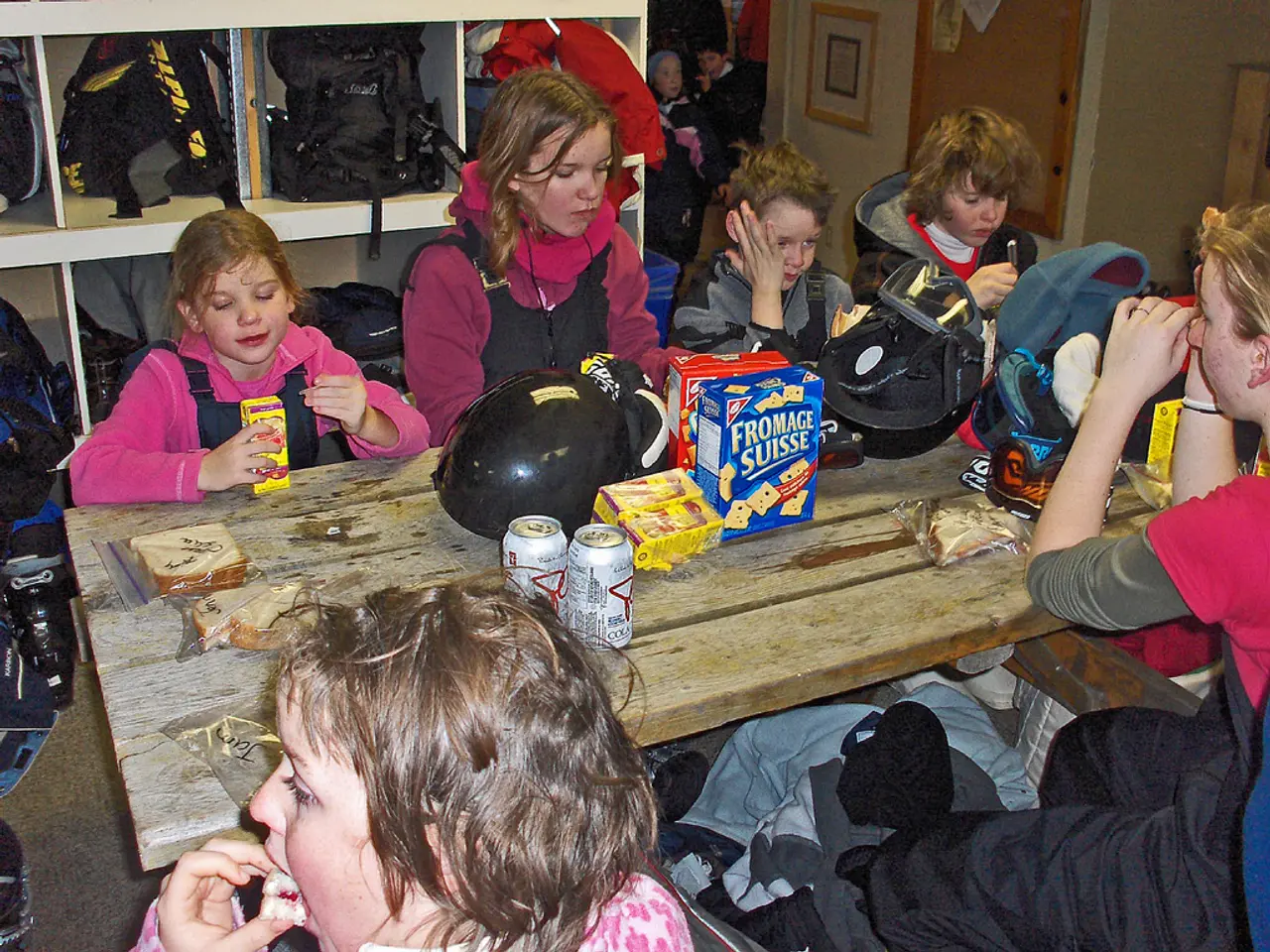
Dr. Kim advises a team-based approach for children struggling with weight. This includes a pediatric nutritionist, an obesity specialist, and a psychologist or behavioral therapist. Support from professionals helps families make sustainable changes. Daily exercise is key, with children needing 60 minutes of aerobic activity. This can be broken into shorter sessions throughout the day. Strengthening exercises for muscles and bones should also be part of their routine. At mealtimes, families are encouraged to fill half their plates with fruits, vegetables, whole grains, and healthy proteins. Sugary drinks should be phased out in favor of water to cut down on sugar. Turning off screens during meals—especially in the evening—helps children focus on eating mindfully. Parents are also urged to limit their own screen time to model better habits.
Small, consistent changes can make a big difference in a child’s health. By focusing on balanced meals, regular activity, and reduced screen time, families can help lower obesity risks. Experts stress that early intervention prevents long-term health problems and supports lifelong well-being.