How Indoor Noise Pollution Quietly Harms Your Health and Sleep
Indoor noise pollution is a growing yet often ignored health concern. While many focus on outdoor noise, unwanted sounds inside homes can seriously affect wellbeing. Experts say even small changes can make a big difference in reducing its impact.
Research links chronic noise exposure to higher risks of heart disease, poor sleep, and cognitive decline. Yet few people recognise how much their living space's acoustics influence stress, satisfaction, and long-term health.
The first step in tackling indoor noise is identifying its type and source. Airborne noise, like traffic or voices, travels through walls and windows. Impact noise, such as footsteps or slamming doors, moves through structures. Gaps around doors, thin walls, and poorly sealed windows are common weak points in urban apartments.
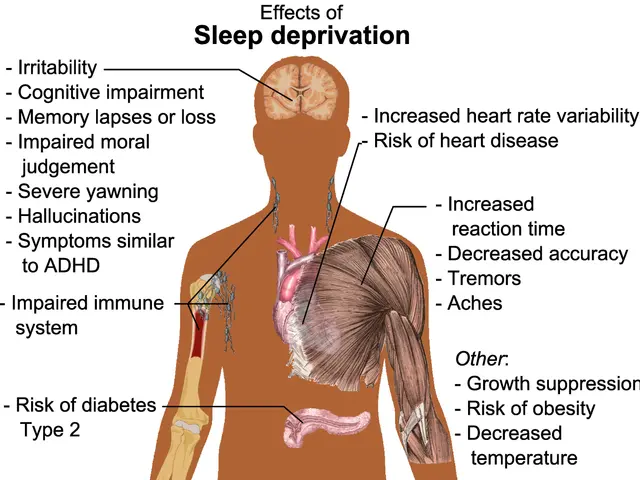
Addressing the loudest or most disruptive noise first—often in bedrooms—can have the biggest effect. Sleep disruption from night-time noise fragments rest, leading to poor sleep quality. Over time, this can mimic symptoms of chronic anxiety or depression. A study in the *European Heart Journal* also found that residential noise raises the risk of hypertension and coronary heart disease. Improving acoustic comfort doesn't always require major renovations or property ownership. Simple fixes, like sealing gaps, adding heavy curtains, or rearranging furniture, can reduce noise levels. Even renters can achieve meaningful improvements with minimal effort. Better sound control doesn't just cut annoyance—it lowers stress, boosts satisfaction with living conditions, and supports overall health. Experts compare acoustic comfort to thermal comfort in importance. Feeling in control of one's sound environment plays a key role in wellbeing. Yet unlike temperature, noise is rarely treated as a priority in home design or public health discussions.
Chronic indoor noise exposure carries real risks, from heart problems to weakened immunity and faster cognitive decline. The good news is that most living spaces can be made quieter without costly upgrades. By focusing on the worst sources and using basic soundproofing methods, residents can protect their sleep, reduce stress, and improve long-term health.