How Intermittent Fasting Rewires Your Brain and Body for Better Health
Fasting for set periods has moved from a fringe health trend to a well-studied approach with proven benefits. Research now shows it can improve weight control, heart health, and even brain function. Yet its effects go beyond simple calorie restriction, triggering deep changes in how the body repairs and protects itself.
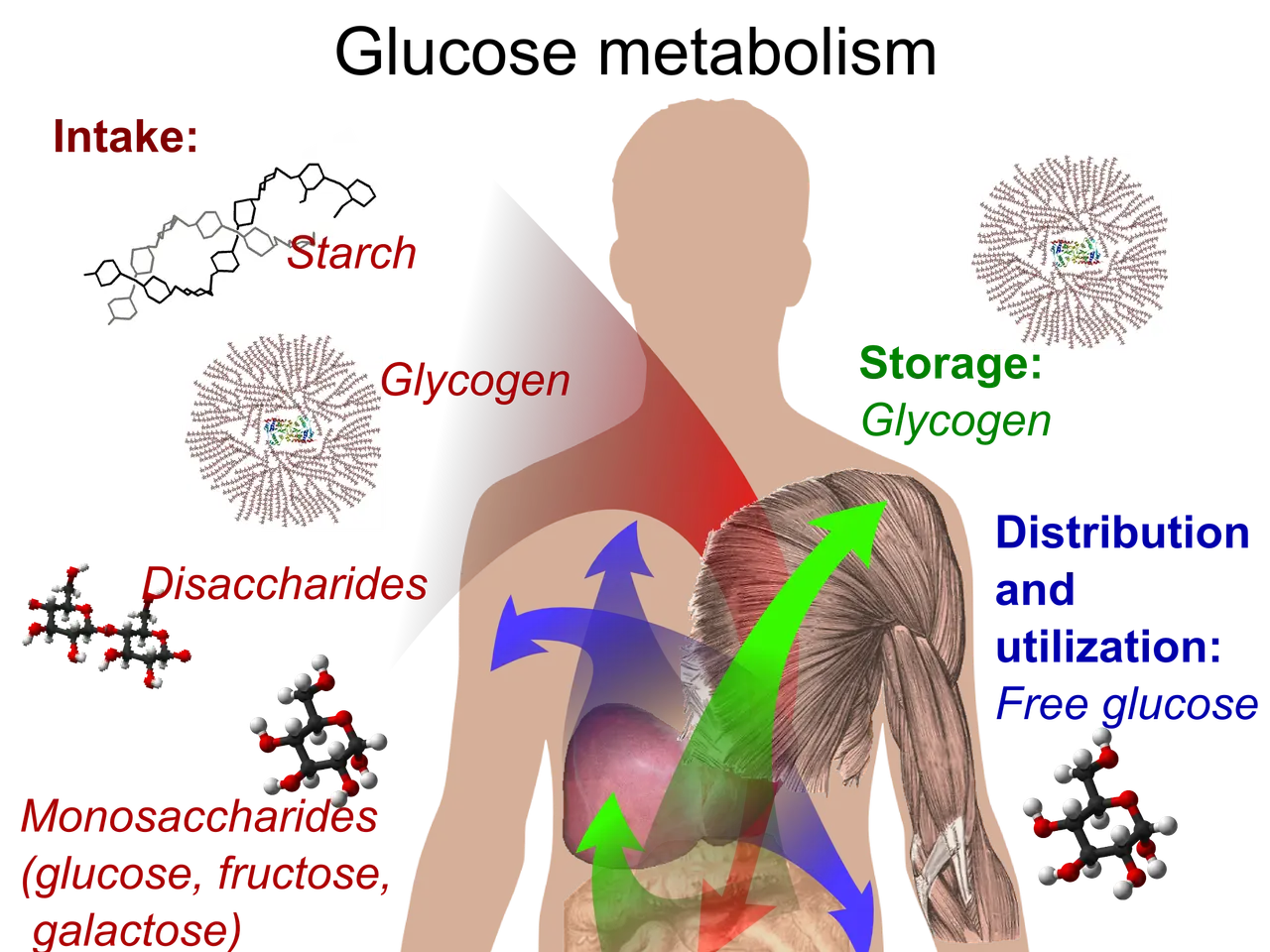
After just 12 hours without food, the body begins autophagy—a process where cells break down and reuse damaged components. This natural recycling helps clear out waste and supports cellular health. By 24 hours, the body shifts to burning fat reserves, producing ketones that fuel the brain and muscles instead of glucose.
These ketones do more than provide energy. They activate genes that shield cells from oxidative stress, potentially lowering disease risk and extending lifespan. Studies in mice reveal another surprising effect: intermittent fasting spurs neurogenesis, the growth of new brain cells, even when the animals eat a poor diet high in calories.
Unlike crash diets, fasting does not weaken muscles. Instead, it targets visceral fat—the dangerous fat wrapped around organs—which is strongly linked to heart disease. Recent trials confirm its role in weight management, though it performs no better than traditional diets for shedding pounds. However, the benefits stretch further, with evidence showing reduced gum inflammation and possible relief for chronic gut conditions.
Real-world examples back up the science. Stéphane, a 50-year-old man, completed a two-week retreat consuming only water and vegetable broth. Afterwards, tests showed improvements in his fatty liver, blood sugar levels, and waist measurement.
Intermittent fasting now stands as a recognised tool for better health, supported by both lab research and personal accounts. It triggers processes like autophagy and ketone production, which protect cells and support metabolism. While not a magic solution for weight loss, its broader effects on inflammation, fat loss, and even brain health make it a compelling option for long-term wellbeing.