How Light Secretly Shapes Your Brain’s Performance and Sleep
Light plays a far bigger role in brain health than many realise. Research shows it shapes alertness, sleep quality and even long-term cognitive function. Simple adjustments to daily light exposure could bring measurable benefits for focus, mood and mental recovery.
A 2013 study led by Gilles Vandewalle examined how light affects brain activity in blind individuals with functioning ipRGCs. The findings confirmed that light remains one of the strongest signals regulating the brain’s internal clock. When bright, blue-rich light hits the eyes late in the evening, it delays sleep onset and slows mental recovery.
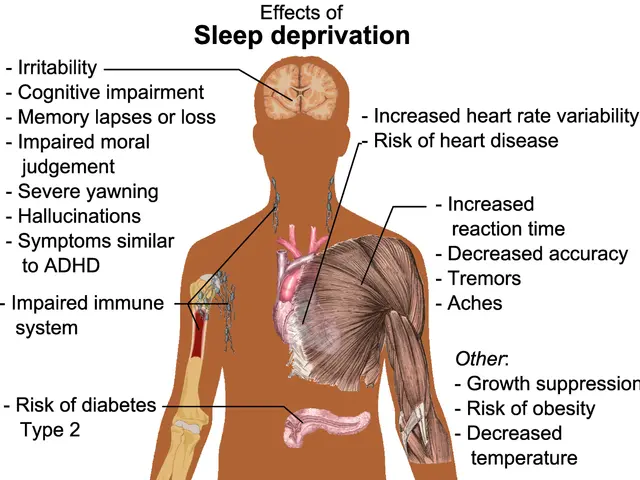
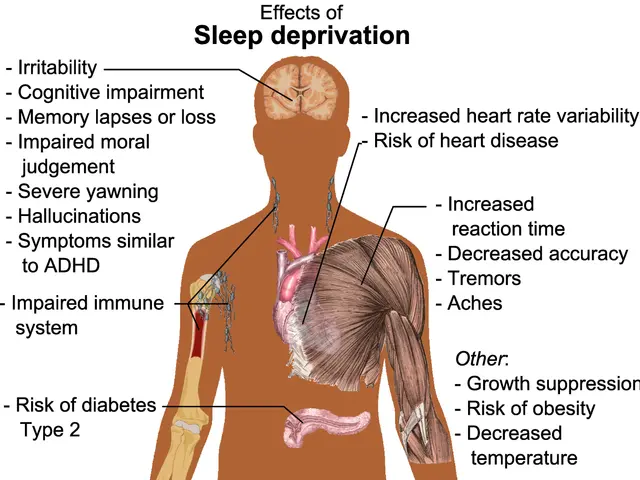
Timing matters just as much as intensity. Morning exposure to bright light—especially through activities like a short outdoor walk—sharpens daytime alertness and reduces brain fog. The brain uses these environmental cues to decide when to be active, when to wind down, and when to sleep. Over time, consistent light habits create a positive cycle. Better light exposure supports better sleep, which in turn strengthens memory, focus and emotional control. These small improvements often lead to healthier lifestyle choices, reinforcing brain health in the long run.
The research makes clear that light is not just about vision—it directly influences how the brain functions. By shifting light exposure earlier in the day and reducing evening brightness, people can enhance alertness, stabilise mood and protect cognitive performance. These changes, though simple, build up over time to support lasting brain health.