How Much Protein Do You Really Need? New Guidelines by Age and Lifestyle
Protein plays a key role in a balanced diet, but the best sources vary depending on age, health, and lifestyle. The German Nutrition Society (DGE) has set clear guidelines for daily intake, with recommendations differing for adults, older people, and athletes. While animal products provide all essential amino acids, plant-based options require careful pairing to meet nutritional needs.
The DGE advises adults aged 19 to 64 to consume 0.8 grams of protein per kilogram of body weight each day. For those 65 and older, the recommendation rises to 1.0 gram per kilogram, with even higher amounts (1.2–1.5 g/kg) suggested for individuals managing acute or chronic illnesses. Athletes may also benefit from increased protein intake, though specific guidelines depend on activity levels.
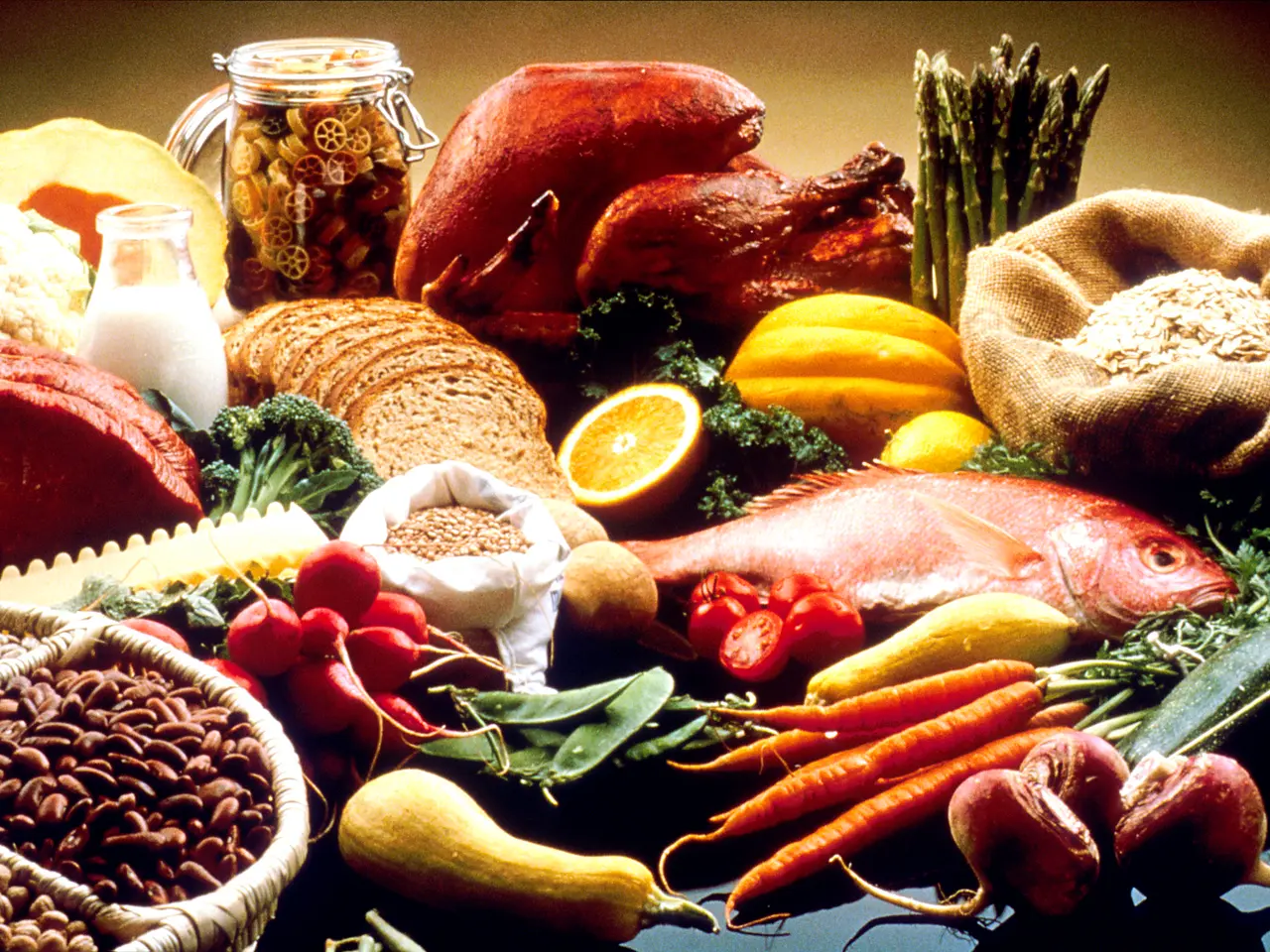
Animal-based foods like meat, fish, dairy, and eggs contain all essential amino acids in one serving. In contrast, most plant-based proteins—such as lentils, beans, peas, and whole grains—lack some of these nutrients, except for soy. To compensate, the DGE suggests combining different plant sources. Examples include lentils with whole-wheat pasta or pea soup with bread, ensuring a full range of amino acids.
Common plant-based protein options include soy products (like tofu, which offers 16 grams per 100-gram serving), lentils, quinoa, oats, and pumpkin seeds. A 200-gram portion of cooked whole-wheat pasta provides around 12 grams of protein. However, many high-protein processed foods contain additives, sweeteners, or artificial flavours, which the DGE advises consuming in moderation.
Meeting protein needs depends on individual factors, from age to dietary preferences. The DGE's guidelines help tailor intake, whether through animal products or carefully combined plant sources. For those relying on processed high-protein foods, checking labels for unwanted additives remains important. The recommendations also highlight the need for older adults and athletes to adjust their diets accordingly.