How Much Sleep Do You Really Need? Experts Break Down the Science
Sleep plays a vital role in health, yet the right amount varies from person to person. Genetics, age and lifestyle all shape how much rest each individual needs. Experts warn that both too little and too much sleep can harm long-term wellbeing.
The US Centers for Disease Control and Prevention (CDC) provides clear sleep guidelines based on age. Teenagers aged 13 to 17 should get 13 to 17 hours, while adults between 18 and 60 need 8 to 10 hours. Those aged 61 to 64 are advised to sleep 7 to 9 hours, and people over 65 require 7 to 8 hours. Younger children often need extra rest, with naps helping them meet their daily targets.
Genetics also influence sleep patterns, though only a small fraction of people carry rare mutations like DEC2, which allows some to function well on just a few hours. Most adults still benefit from 7 to 9 hours of uninterrupted sleep. The body's internal clock, or circadian rhythm, along with stress levels and daily habits, further shape how restorative sleep feels.
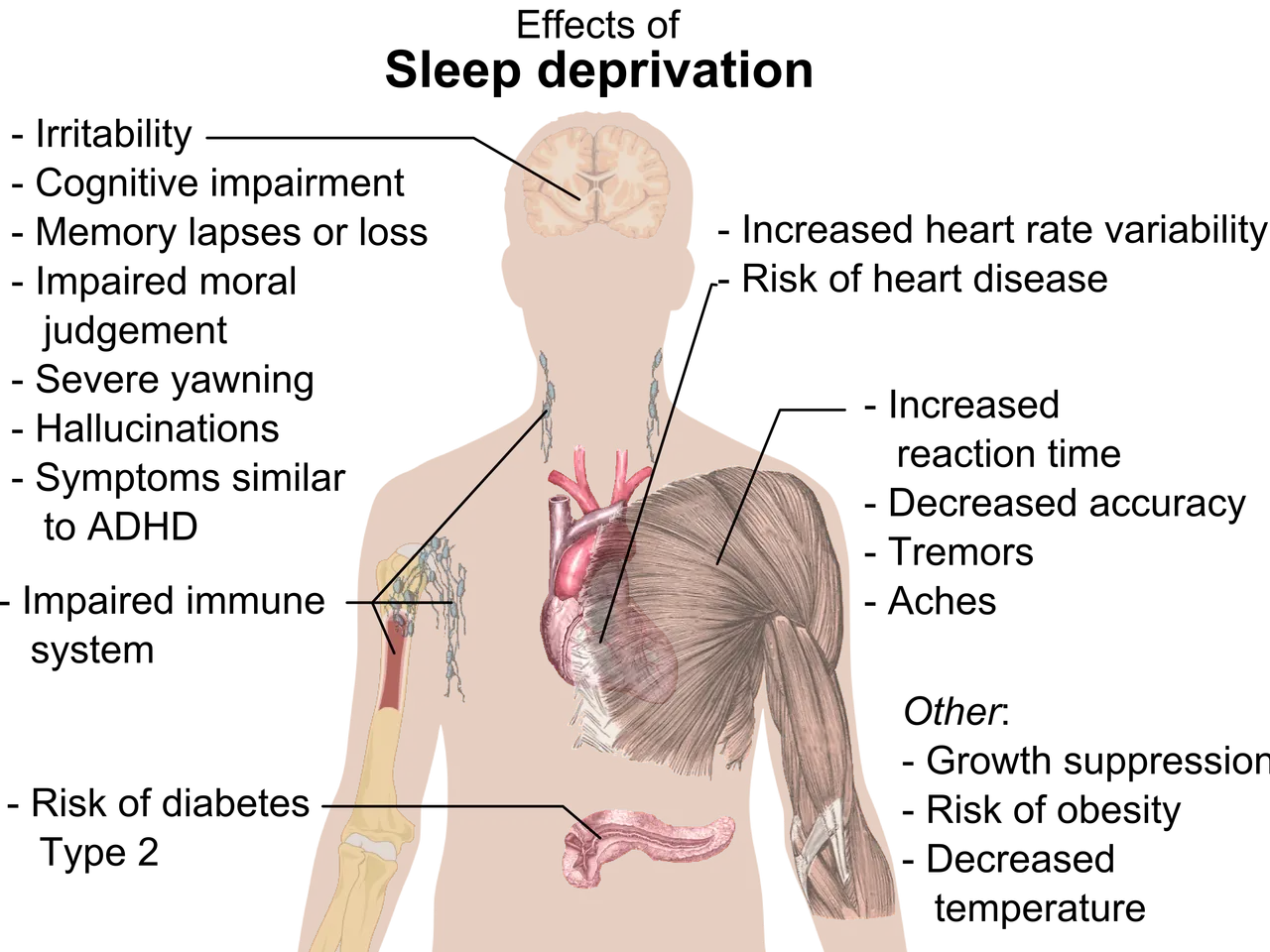
Poor sleep carries serious risks. Chronic sleep deprivation has been linked to heart disease, kidney problems and depression. It also weakens focus, learning ability and immune function. Research shows that consistently sleeping less than 5 hours or more than 9 hours raises infection risks.
For those struggling with insomnia, treatments include cognitive behavioural therapy, improving sleep hygiene and addressing underlying health issues. Medication is an option but comes with risks. Long-term use of sleeping pills—even over-the-counter varieties—can lead to dependence and other health complications.
Simple habits can make a difference. Keeping a regular sleep schedule, avoiding heavy meals before bed and cutting back on caffeine all help improve sleep quality. The benefits of good rest are wide-ranging, from better mood and sharper attention to lower risks of diabetes and heart disease.
Understanding personal sleep needs is key to long-term health. While guidelines provide a useful starting point, factors like genetics and lifestyle mean requirements differ. Making small changes to sleep routines can lead to measurable improvements in daily function and overall wellbeing.