How Nostalgia Transformed from a Disease to a Mental Health Boon
Around 350 years ago, a Swiss doctoral student named Johannes Hofer first used the term nostalgia to describe a severe form of homesickness. He believed the condition affected mercenaries abroad, even attributing their suffering to malevolent spirits. Today, the concept has evolved into a widely recognised emotional experience—one that blends bittersweet longing with psychological benefits.
Hofer’s 17th-century dissertation framed nostalgia as a pathological ailment. Soldiers stationed far from home displayed symptoms so intense that he linked them to supernatural forces. Over time, scientific understanding shifted dramatically.
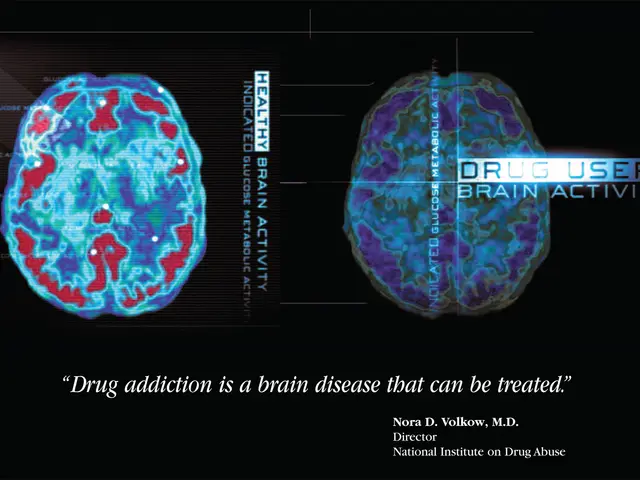
By the early 2000s, researchers like Alan P. Kerth and Petr Janata at the University of California, Davis, began exploring nostalgia through neuroscience. Kerth, one of the field’s early pioneers, helped establish how the brain processes nostalgic feelings. Janata’s work revealed that music could reliably trigger nostalgia, allowing scientists to map brain activity during these moments. A 2022 study identified four core brain functions tied to nostalgia: self-reflection, autobiographical memory, emotional regulation, and reward processing. Scans showed that regions linked to emotions—including the reward system—light up when people reminisce. This response helps explain why nostalgia can ease grief, reduce loneliness, and even dull physical pain. Beyond emotional relief, nostalgia has practical applications. For dementia patients, revisiting past memories may sharpen cognitive function and lift mood. The holiday season, with its traditions and familiar sights, often becomes a natural catalyst for such reflection.
Once seen as a dangerous illness, nostalgia is now recognised as a complex emotional tool. It connects past and present, offering comfort in times of stress or isolation. As research continues, its role in mental health and memory care grows clearer—proving that looking back can sometimes help us move forward.