How Ozempic and GLP-1 drugs are slashing food waste and costs
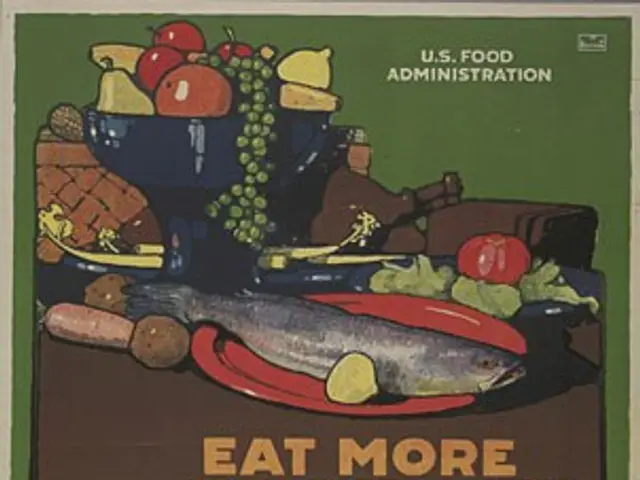
The drugs shift diets toward more produce, fish, and healthy fats, while reducing alcohol, dairy, sweets, and carbs. This change often leads to less food waste at home, especially for long-term users. However, restaurants pose a challenge: standard portions can be too large, leaving uneaten food behind.
The rise of GLP-1 drugs is reshaping food habits, from grocery lists to restaurant menus. Smaller portions and smarter food purchasing could reduce waste while keeping costs down. For many users, the shift in diet also means extra savings—enough to offset medication expenses.