How Poor Sleep Habits Secretly Threaten Your Heart Health
Poor sleep habits can significantly impact heart health, as recent studies have shown. Both insufficient and excessive sleep have been linked to higher risks of heart disease. Many adults struggle with sleep, with 35% of Americans rating their rest as 'poor' or 'only fair'.
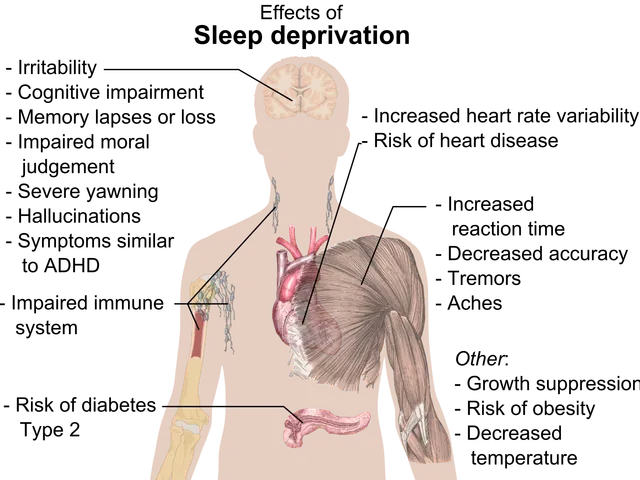
Research indicates that sleeping less than seven hours a night nearly triples the risk of heart conditions for those with multiple sleep disorders. The same study, published in the Journal of the American College of Cardiology (January 2019), found a 20% higher risk of heart attacks and a 28-30% increase in strokes and coronary heart disease. Chronic sleep deprivation also raises blood pressure, blood sugar, and inflammation while promoting obesity.
Sleeping fewer than six hours can lead to calcium buildup in the heart’s arteries, a key factor in heart attacks. Meanwhile, oversleeping—more than nine hours—has also been linked to heart problems. People with long-term sleep issues like insomnia or sleep apnea tend to have shorter lifespans compared to those who sleep well. Experts recommend seven to eight hours of sleep per night for optimal health. To improve rest, they suggest avoiding caffeine before bed, limiting alcohol, exercising during the day, and switching off screens at least 30 minutes before sleep. Monitoring for sleep apnea is also advised, as it causes daytime fatigue and loud snoring.
Poor sleep affects millions, with 63% of Americans reporting insufficient rest during the week. The consequences extend beyond tiredness, increasing risks for heart disease, weight gain, and shorter life expectancy. Adjusting habits and seeking treatment for sleep disorders could help protect long-term health.