How Protein and Fibre Can Transform Your Ramadan Fasting Experience
Ramadan presents a unique challenge for maintaining energy and managing hunger while fasting. Nutrition experts suggest that balancing fibre and protein can help people stay fuller for longer, avoid unhealthy snacks, and support overall health during this time. A growing trend called fibermaxxing—focusing on high-fibre foods—has also gained attention, but proper hydration and portion control remain key to avoiding discomfort.
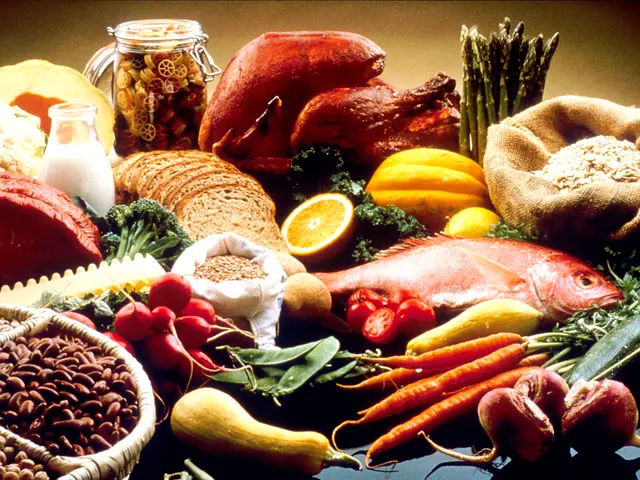
Eating meals rich in both fibre and protein helps control appetite and sustain energy throughout the day. Foods like eggs, chicken, fish, lentils, and yogurt provide lasting fullness, while fibre from vegetables, whole grains, and seeds supports digestion. Together, they reduce cravings for sugary or fatty snacks, making weight management easier during fasting.
For suhoor, the pre-dawn meal, a balanced plate should include lean protein, fibre-rich vegetables, healthy fats, and plenty of water. This combination slows digestion, keeping energy levels steady until iftar. Skipping hydration or overloading on protein alone can lead to fatigue, headaches, or even a slower metabolism.
At iftar, breaking the fast gradually is important. Starting with water and light foods, such as vegetables and lean protein, helps the body adjust. Heavy, fried, or overly salty dishes can cause bloating and disrupt digestion. Moderate portions of grilled, baked, or boiled foods are ideal for maintaining energy without excess calories.
The fibermaxxing trend, popular since around 2026, encourages higher fibre intake through foods like beans, whole grains, and seeds. While beneficial for digestion and satiety, too much fibre without enough water can cause bloating or constipation. Balancing fibre with hydration and other nutrients remains essential for a smooth fasting experience.
A well-planned diet during Ramadan can improve energy, digestion, and weight control. Pairing protein with fibre, staying hydrated, and choosing lighter cooking methods help avoid discomfort and support long-term health. Proper portion sizes and gradual eating at iftar further ensure the body adjusts smoothly to fasting.