How Simple Habits Beat Winter Illnesses Better Than Supplements
Winter brings a sharp rise in colds and flu across Germany, with up to 11 million people falling ill each year. While many turn to supplements or quick fixes, experts highlight simpler, more effective ways to stay healthy. Proper hygiene, sleep, and diet play a far bigger role in preventing illness than pills or powders.
Washing hands for at least 20 seconds remains the single most effective way to cut down bacteria and viruses. This basic habit significantly lowers the risk of infection compared to relying on supplements like zinc or vitamin C. Though these may shorten a cold by a day or two, they do little to stop illness in the first place.
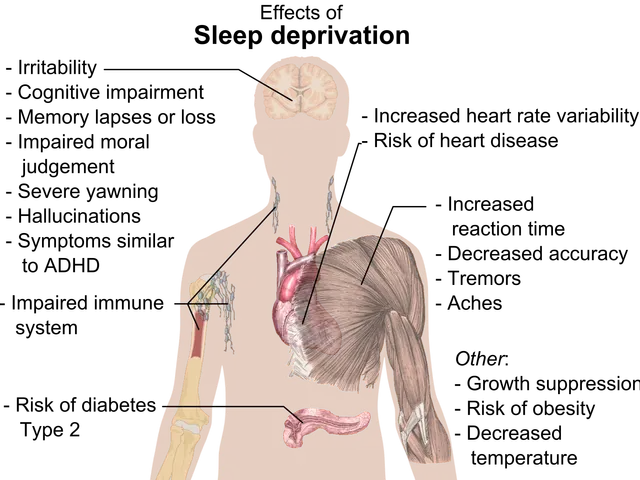
Sleep also makes a major difference. Getting eight hours a night strengthens the immune system, helping the body fight off infections before they take hold. Without enough rest, people become more vulnerable to winter bugs. Stress management weakens defences too. High stress levels suppress immune function, leaving the body less able to ward off colds and flu. Reducing stress, alongside regular exercise, helps keep immune cells active and inflammation low. Even moderate activity, like daily walks, can lower the chances of getting sick. For those lacking sunlight in winter, vitamin D is key. A deficiency increases the risk of respiratory infections, but supplements or certain foods can help. Fatty fish like smoked eel (90 µg per 100g), salted herring (25.6 µg per 100g), mackerel, and salmon are the best natural sources. Fish oil and eggs (2.9 µg per whole raw egg) also provide reliable amounts year-round. Alcohol, however, has mixed effects. Occasional drinking causes no harm, but heavy consumption weakens the immune system. This makes the body less capable of fighting off viruses when they strike.
Preventing winter illnesses comes down to consistent habits rather than quick fixes. Handwashing, sleep, and stress management offer stronger protection than any supplement. For those at risk of vitamin D deficiency, fatty fish, eggs, and supplements provide the best defence against respiratory infections. Small, daily choices make the biggest difference in staying healthy through the colder months.