How Sleep Could Reshape Emotions and Ease Traumatic Memories
Sleep plays a vital role in processing memories and shaping emotional responses. New research shows how targeted techniques during sleep could help reduce negative memories and boost well-being. Scientists are now exploring ways to harness these natural processes for mental health treatments.
During sleep, the brain reorganises memories, shifting them from short-term to long-term storage. Slow-wave sleep helps make memories more permanent while reducing their emotional intensity. REM sleep then strengthens recall, improving retention of information learned the day before.
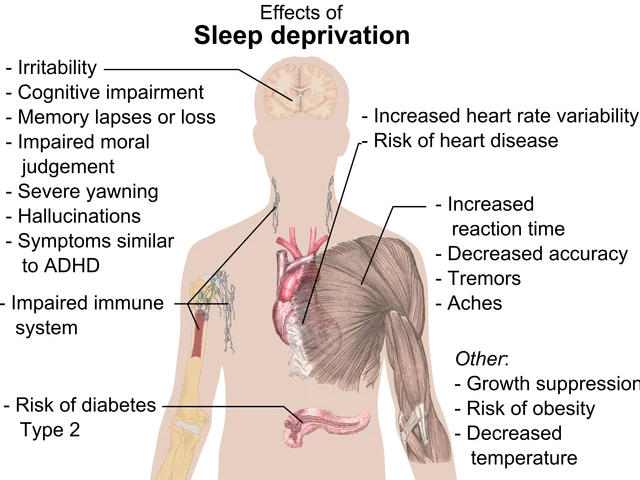
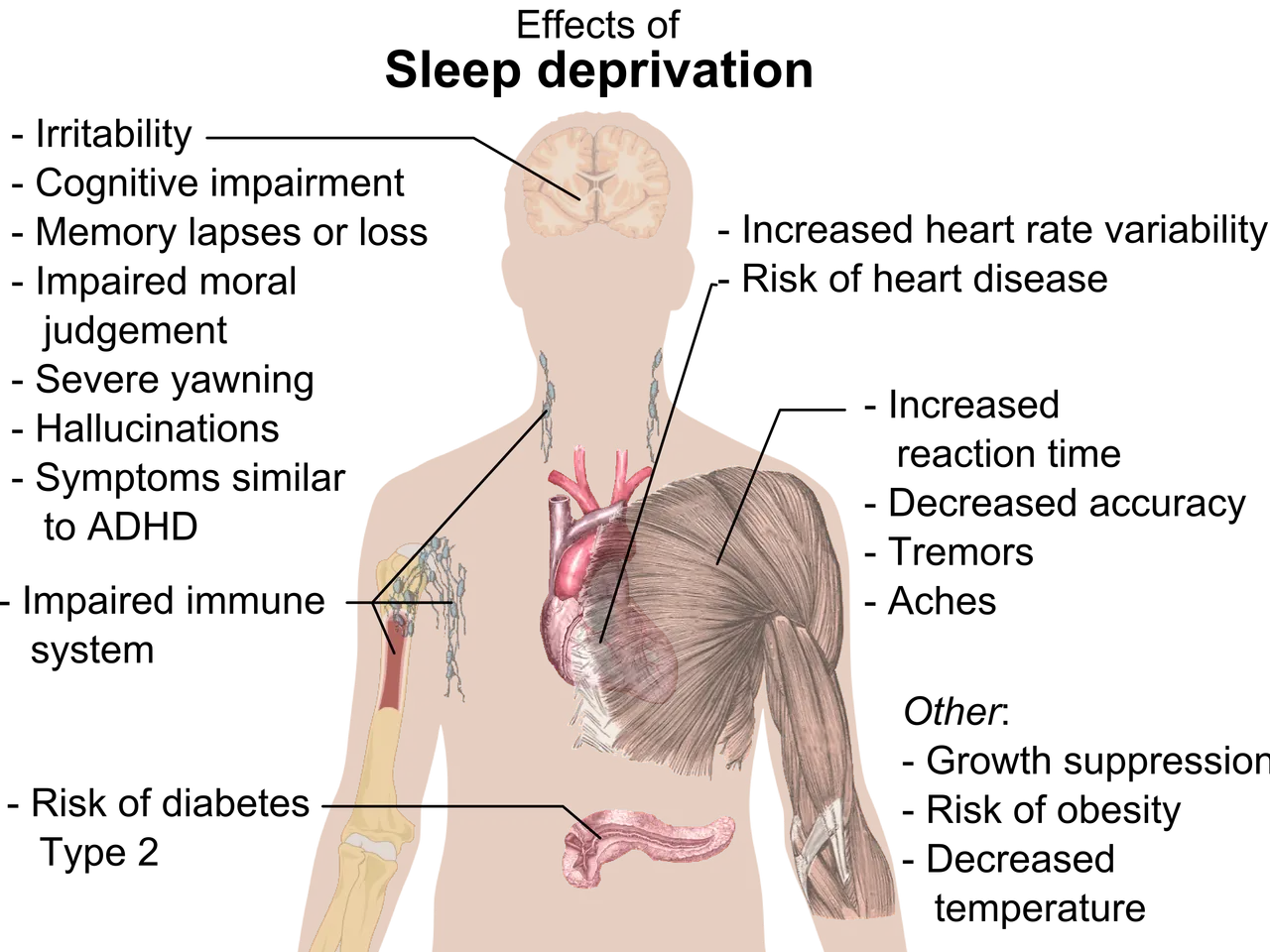
Lack of sleep disrupts this process, leaving memories more negative and poorly consolidated. But when sleep is undisturbed, it can soften the emotional impact of events, weakening negative associations and reinforcing positive ones. Techniques like Targeted Memory Reactivation (TMR) use sounds or scents during sleep to reactivate specific memories, reducing their emotional charge.
Another approach, Targeted Dream Incubation (TDI), guides dream content to aid problem-solving. Lucid dreaming therapies also allow people to reshape memories, strengthening positive ones and weakening distressing ones. Early studies suggest these methods could help patients with PTSD by lessening the impact of traumatic memories.
Despite promising results, TMR is not yet standard in clinical practice. Research remains experimental, with trials mainly at academic centres like the University of Tübingen and Northwestern University. Larger studies and regulatory approval are still needed before wider adoption.
The ability to influence memories during sleep opens new possibilities for mental health care. If proven effective in larger trials, these techniques could offer non-invasive ways to ease trauma and enhance emotional well-being. For now, further research will determine how best to apply them in real-world treatment.