How sleep deprivation in interrogations distorts justice and memory
Sleep deprivation in police interrogations has long been recognised as a serious issue. In 1944, the U.S. Supreme Court ruled that 36 hours of continuous questioning without rest was 'inherently coercive'. Yet, despite this landmark decision, legal standards for shorter or interrupted periods of casetify remain unclear.
New research now highlights how fatigue distorts memory, increases vulnerability to false confessions, and impairs decision-making—raising concerns about fairness in the justice system.
The 1944 case Ashcraft v. Tennessee set a key precedent by declaring that prolonged, sleepless interrogations violate the Fifth Amendment. The ruling acknowledged that psychological pressure from exhaustion could force false confessions. Later cases, such as Miranda v. Arizona and Rhode Island v. Innis, expanded protections against coercive tactics, while post-9/11 rulings like Hamdan v. Rumsfeld rejected harsh interrogation methods. President Obama banned CIA torture in 2009, though facilities like Guantanamo Bay remained open.
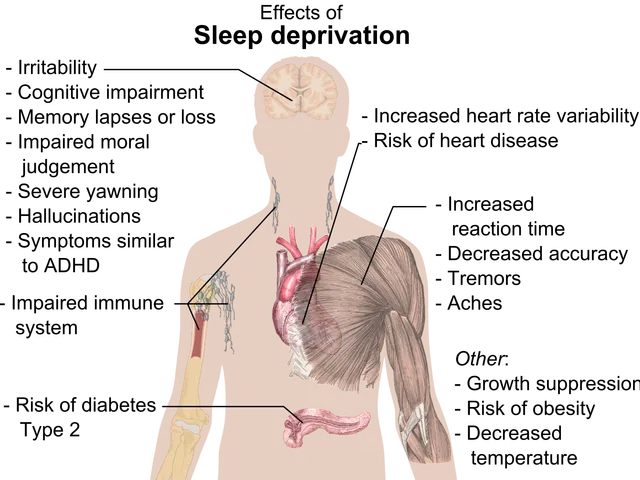
Studies show that sleep loss weakens memory recall, making witnesses less reliable. Fatigued individuals struggle to recall details accurately and become more susceptible to leading questions. They may even absorb false information suggested by investigators, believing it to be true. Researchers have proposed a three-tier scale to assess impairment: low to moderate after 24 hours awake, high after 48 hours, and extreme after 72 hours.
Many people entering the justice system already suffer from disrupted sleep due to trauma, poverty, or violence. This makes them particularly vulnerable during interrogations. Fatigue also impairs the brain's ability to weigh long-term consequences, pushing individuals toward decisions that offer short-term relief but harm them later. Experts argue that courts and law enforcement need clearer, evidence-based standards to account for sleep disruption in legal proceedings.
While the Supreme Court condemned extreme sleep deprivation decades ago, gaps remain in addressing shorter or intermittent fatigue. Investigators are now urged to record interview times, durations, and signs of exhaustion. Without stronger legal guidelines, the risk of unreliable testimony and unjust outcomes persists in cases where sleep loss plays a role.