How the brain's hidden waste system could unlock Alzheimer's secrets
The brain relies on a unique waste-clearing system to stay healthy, but much of what we know comes from animal studies. Researchers first described the glymphatic system in 2012, a network that flushes out harmful waste like a lymphatic system. However, key differences between mice and humans mean some findings may not apply directly to people.
In mice, the glymphatic system uses perivascular spaces filled with cerebrospinal fluid (CSF) to actively remove brain waste. Human brains, though, have smaller perivascular spaces and depend more on lymphatic drainage through dural sinuses. This structural gap makes it harder to confirm whether exercise, which boosts waste clearance in mice, has the same effect in people.
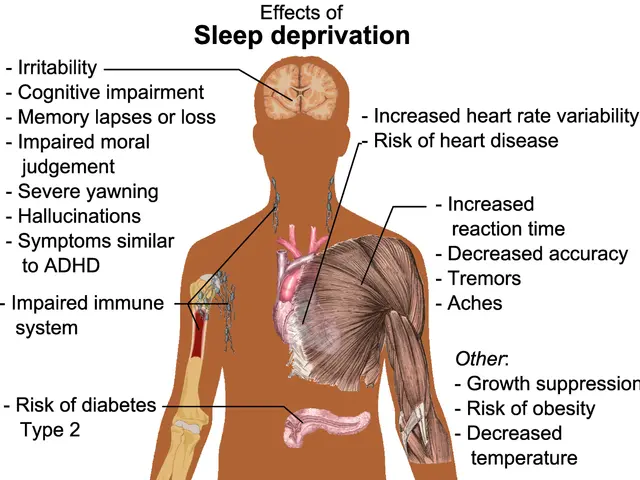
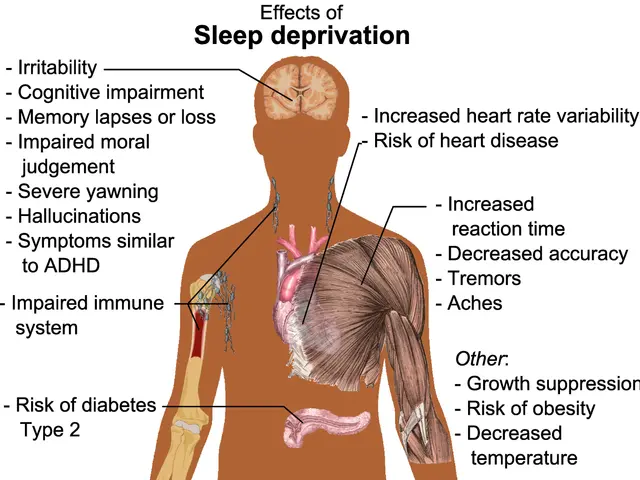
Sleep appears to play a crucial role in the process. Deeper sleep improves CSF flow, helping the brain clear waste more efficiently. Physical activity and diet might also support this cleansing, either by enhancing sleep quality or through direct mechanisms.
When waste clearance fails, problems arise. Patients with cerebral amyloid angiopathy show impaired drainage, leading to waste buildup. Over time, accumulated proteins—like those linked to Alzheimer's—can spark inflammation and harm nerve cells.
Current understanding of the glymphatic system leans heavily on mouse research, but human studies remain limited. New methods are needed to explore how sleep, exercise, and diet influence waste removal in people. Without clearer insights, treating conditions tied to poor brain drainage will stay a challenge.