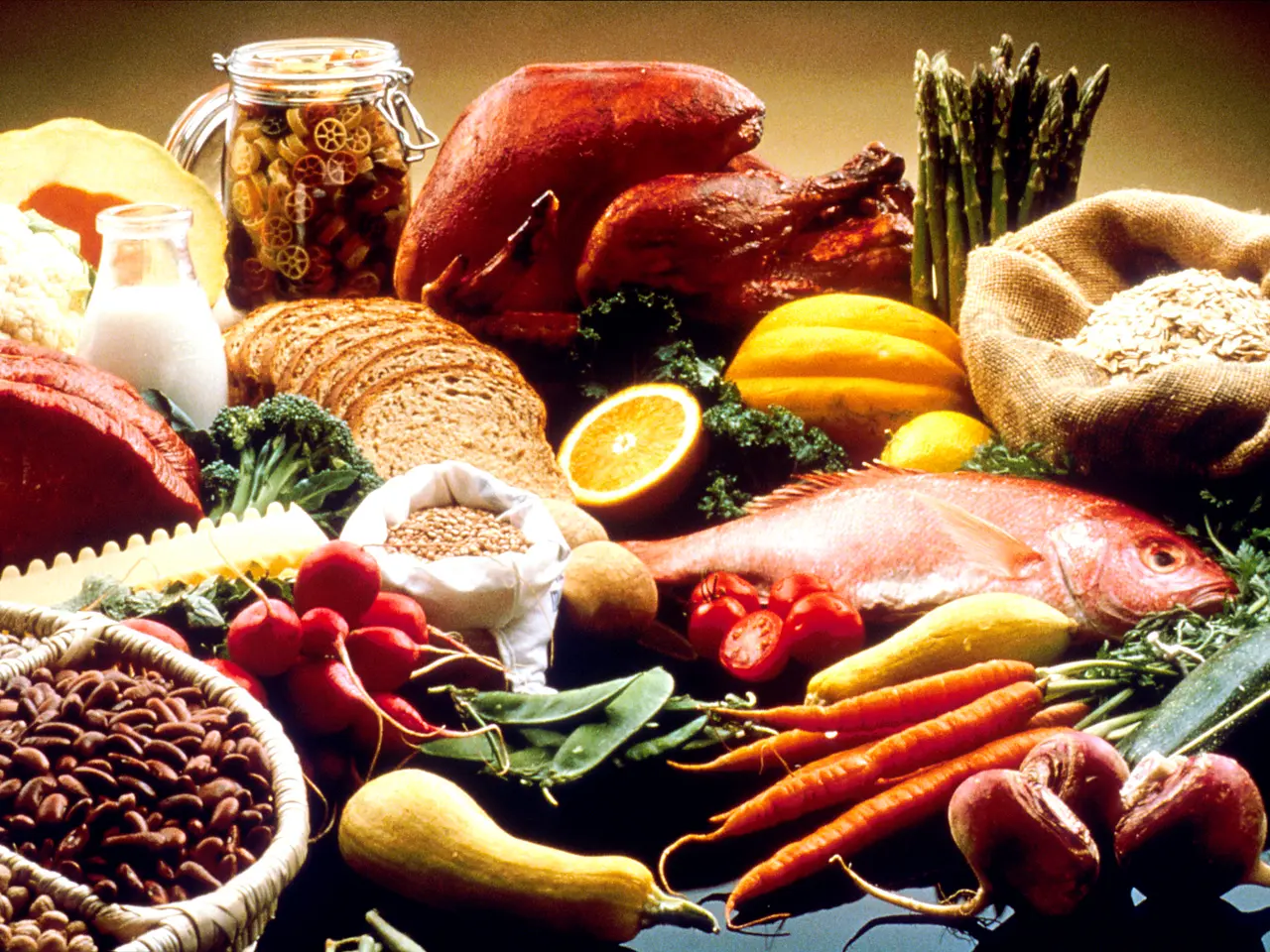
How the Right Foods Can Fight Chronic Inflammation and Disease
Chronic inflammation is now recognised as a silent driver behind many serious illnesses. From heart disease to diabetes and even Alzheimer's, its long-term effects can slowly damage health. While the body uses inflammation to heal, modern lifestyles often turn it into a persistent problem.
The right diet, however, can help control it. Four key principles—balancing blood sugar, choosing healthy fats, eating antioxidant-rich foods, and supporting gut health—form the foundation of an anti-inflammatory approach.
Inflammation begins as a natural defence mechanism, helping the body fight infections and repair injuries. But when it lingers, it contributes to conditions like obesity, sepsis, and antibiotic-resistant infections. In 2017, sepsis alone caused 11 million deaths worldwide, according to the WHO. By 2020, it affected 49 million people, with obesity worsening outcomes—linked to 10% of infection deaths globally and up to 25% in the US. Antibiotic resistance, another growing threat, already kills around 1 million people each year, with projections nearing 10 million by 2050.
Certain foods actively reduce inflammation. Cold-water fatty fish, such as salmon and mackerel, provide long-chain omega-3s that help resolve chronic inflammation. Fruits, especially citrus varieties, deliver fibre and flavonoids—powerful antioxidants that combat inflammatory damage. Nuts and seeds pack fibre, minerals, and healthy fats into a simple, portable form.
Spices and oils also play a role. Turmeric contains curcumin, a compound that blocks inflammatory enzymes. Plant-based oils, particularly extra virgin olive oil, supply polyphenols and monounsaturated fats. Fermented foods, like yoghurt and sauerkraut, introduce live probiotics that strengthen gut health and suppress systemic inflammation over time.
Diet directly shapes the body's internal environment, offering a way to manage chronic inflammation. Foods rich in omega-3s, antioxidants, and probiotics help counterbalance damage from modern health risks. With sepsis cases rising and antibiotic resistance growing, small dietary changes could make a measurable difference in long-term wellbeing.