How to Enjoy Seollal Feasts Without Overeating or Guilt
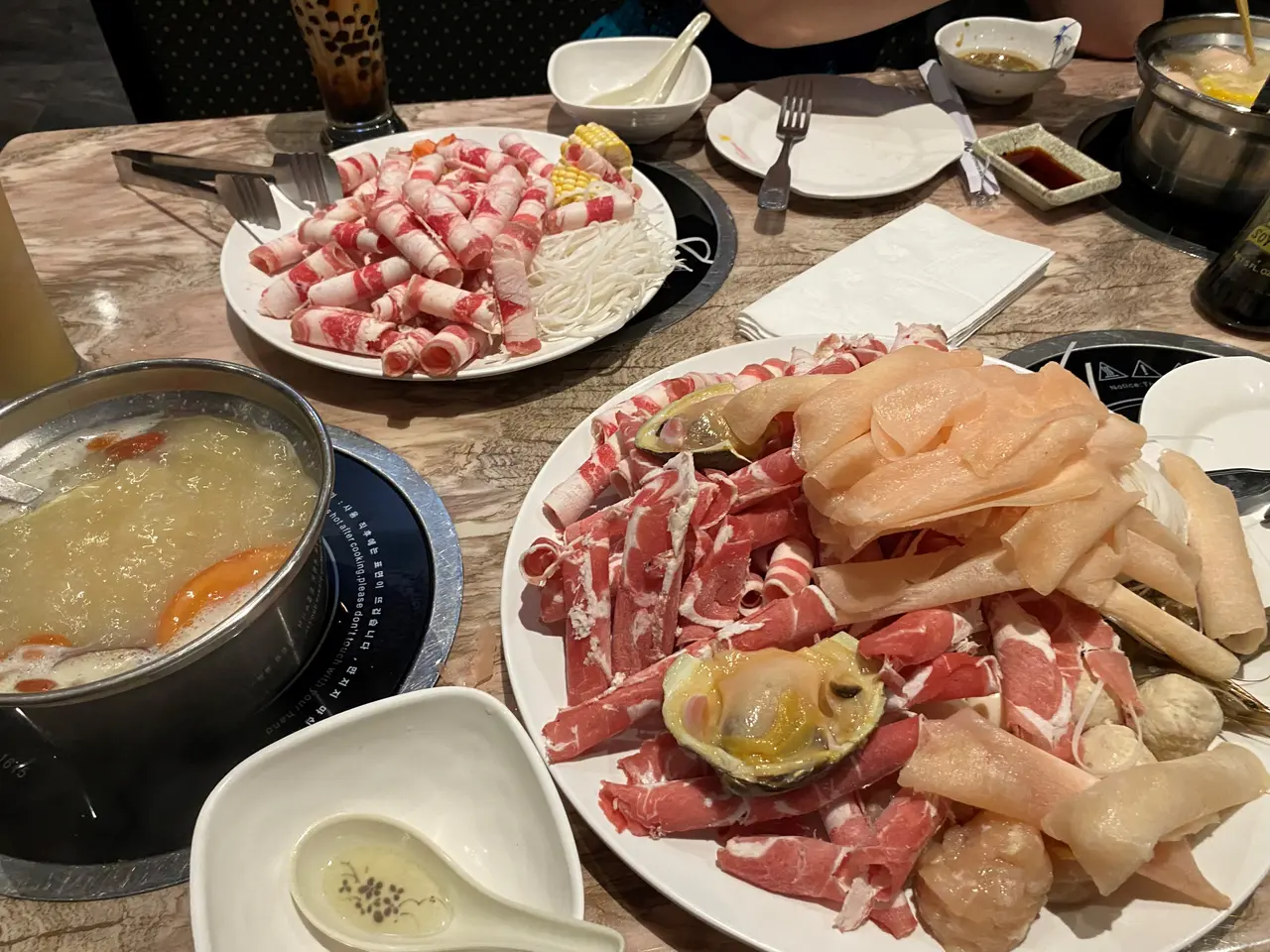
Seollal, the Korean Lunar New Year, is a time for family gatherings and traditional feasts. Millions travel across South Korea each year to celebrate with relatives, sharing meals like tteokguk and galbijjim. However, the rich holiday dishes can pose health challenges if not enjoyed mindfully.
Every Seollal, between 30 and 40 million people journey home to reunite with loved ones. Families honour ancestors and come together over large meals, often featuring calorie-dense dishes. A 300-gram serving of galbijjim contains 256 calories, while 200 grams of jeon packs 323 calories, making portion control difficult.
Overeating during the celebrations can lead to discomfort, including bloating and stomach pain. To avoid this, health experts suggest starting meals with fibre-rich vegetables or namul. This helps curb hunger and stabilises blood sugar levels. Eating protein next can prolong fullness, while saving carbohydrates for last reduces sharp glucose spikes.
For those managing chronic conditions, small changes to recipes and cooking techniques can make traditional dishes healthier. Keeping regular meal times and eating slowly also helps balance festive indulgence with well-being.
Seollal's feasts bring joy but require mindful choices to stay healthy. Simple adjustments, like prioritising vegetables and pacing meals, can ease digestion and prevent blood sugar surges. With thoughtful eating, families can enjoy the holiday's flavours without compromising their well-being.