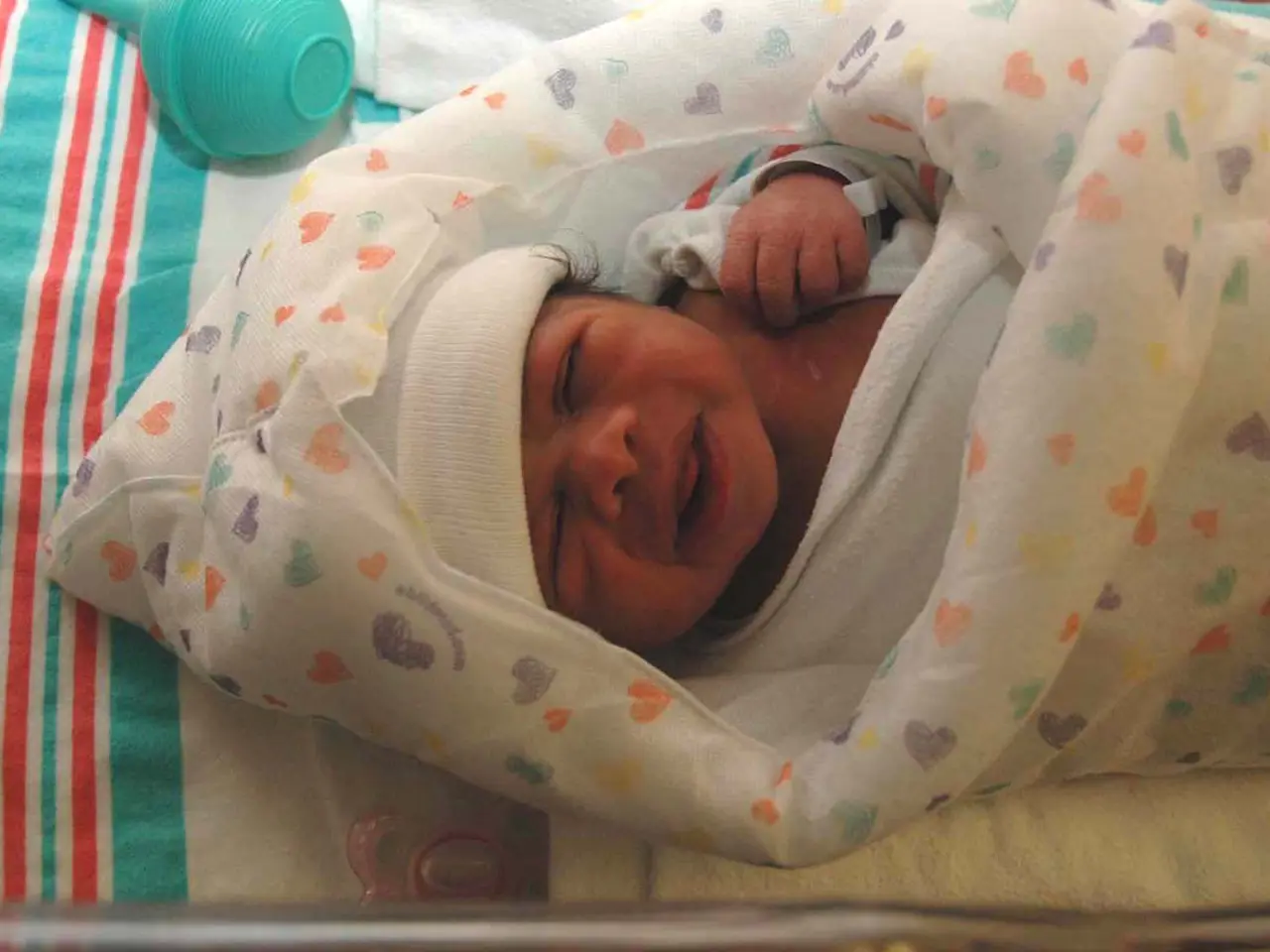
How to Safely Bring Your Premature Baby Home: A Parent’s Guide
Bringing a premature baby home requires careful preparation and extra precautions. Parents face unique challenges, from feeding and hygiene to safety and emotional well-being. Medical guidance and practical steps can help ensure a smooth transition for both baby and family.
Feeding a preterm baby demands special attention. Doctors recommend starting with breast milk or specialised preemie formula, as these provide essential antibodies and nutrients. Small, frequent meals—every two to three hours—are best, with the baby kept upright to reduce acid reflux. Some infants may need fortified milk, tube feeding, or close monitoring for aspiration. Weight checks and growth tracking remain critical during this time.
All preterm babies experience acid reflux, often vomiting two to three times a day. While this is normal, parents should watch for signs of distress. A car seat challenge test is mandatory before discharge, ensuring the baby can breathe safely in the seat. Daily baths are fine, but the room must stay warm to prevent chilling. Hygiene is vital to protect fragile immune systems. Parents should wash their hands or use sanitiser before handling the baby. Vaccinations, including flu and DTaP shots, are strongly advised for caregivers to lower infection risks. Safe sleep practices, such as following American Academy of Pediatrics guidelines, help reduce the higher risk of SIDS in preemies. CPR training is also recommended in case of choking episodes linked to acid reflux. Emotional support matters too. Postpartum depression is more common among parents of preemies, so screening and accessing help early can make a difference.
Caring for a premature baby involves a mix of medical guidance and practical adjustments. From tailored feeding plans to strict hygiene and sleep safety, each step helps safeguard the baby’s health. Vaccinations, CPR readiness, and emotional support further ensure both parent and child navigate this period with confidence.