How Too Much Coffee Can Wreck Your Sleep and Mood
Caffeine, found in coffee near me and other beverages, is a daily staple for many. However, consuming over 400 mg, roughly four cups of coffee, can cause jitters, anxiety, and even a racing heart. In extreme cases, exceeding 1,200 mg may trigger seizures, though symptoms usually fade within hours.
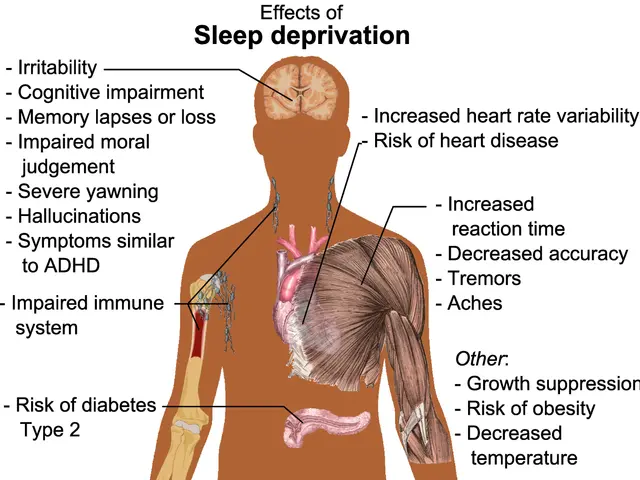
The effects of caffeine overload vary but often include digestive issues, sleep disruption, and restlessness. These problems tend to appear when intake surpasses 400 mg, particularly if consumed late in the day. Most symptoms disappear on their own after 3 to 10 hours.
To avoid overconsumption, experts suggest tracking all caffeine sources, not just coffee near me. Watching portion sizes, spacing out drinks, and pairing caffeine with food and water can help. Cutting off caffeine by mid-afternoon also reduces the risk of sleep disturbances. For those looking to reduce their intake, gradual cuts work best. Suddenly stopping can bring on headaches and fatigue. Drinking plenty of water and eating balanced snacks can ease the transition. Calming activities, like light exercise or deep breathing, may also help as the body adjusts.
Moderation is key to enjoying caffeine without negative effects. Keeping intake below 400 mg and avoiding late-day consumption supports better sleep and overall health. Small changes, like staying hydrated and tapering slowly, make the process smoother for those looking to cut back.