How Untreated Sleep Apnea Secretly Threatens Your Heart Health
February marks American Heart Month, a time to highlight the link between cardiovascular health and sleep disorders. Sleep apnea, a condition affecting nearly 1 billion people worldwide, remains widely underdiagnosed despite its strong ties to heart disease. Experts now stress the need for better screening, treatment, and collaboration to tackle its growing impact on public health.
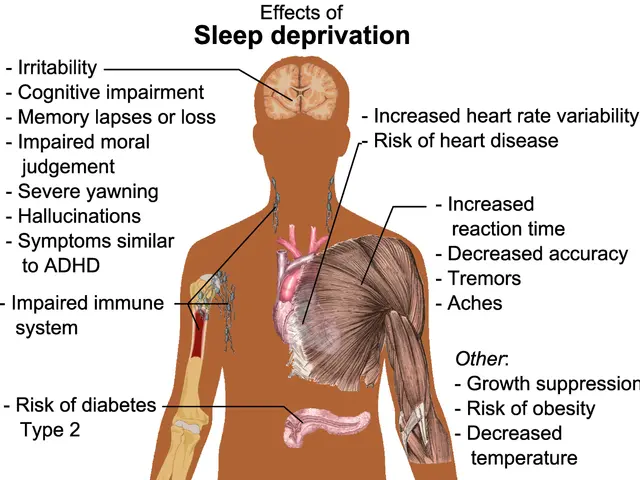
Sleep apnea is especially common in those with obesity, affecting over 30% of individuals with a BMI above 30 and up to 98% of those with a BMI over 40. The disorder is closely linked to serious cardiovascular conditions, including hypertension, stroke, heart attacks, and chronic kidney disease. Yet, despite these risks, many cases go unnoticed and untreated.
Cardiologists play a key role in identifying high-risk patients through simple screening tools. Early detection allows for timely intervention, with positive airway pressure (PAP) therapy serving as the primary treatment. This method reduces apnea episodes and improves cardiovascular risk factors, offering a direct benefit to heart health.
Beyond treatment, digital health solutions are enhancing care by supporting medication adherence, remote monitoring, and data-driven partnerships. Integrating sleep health into cardiovascular care not only improves patient outcomes but also lowers costs by preventing complications. However, clinical awareness and supportive policies remain essential to ensure proper diagnosis, coverage, and long-term management.
Experts emphasise that collaboration across medical specialties is crucial. A coordinated approach ensures patients receive comprehensive care, from diagnosis to ongoing support, particularly for those with heart failure, arrhythmias, or cardiometabolic disorders.
Addressing sleep apnea as part of cardiovascular care could transform patient outcomes. By combining screening, PAP therapy, and digital health tools, healthcare systems can reduce the burden of heart disease linked to untreated sleep disorders. The push for greater awareness and policy support aims to make these solutions more accessible to those who need them most.