How Winter Paralympics Classification Ensures Fair Play for All Athletes
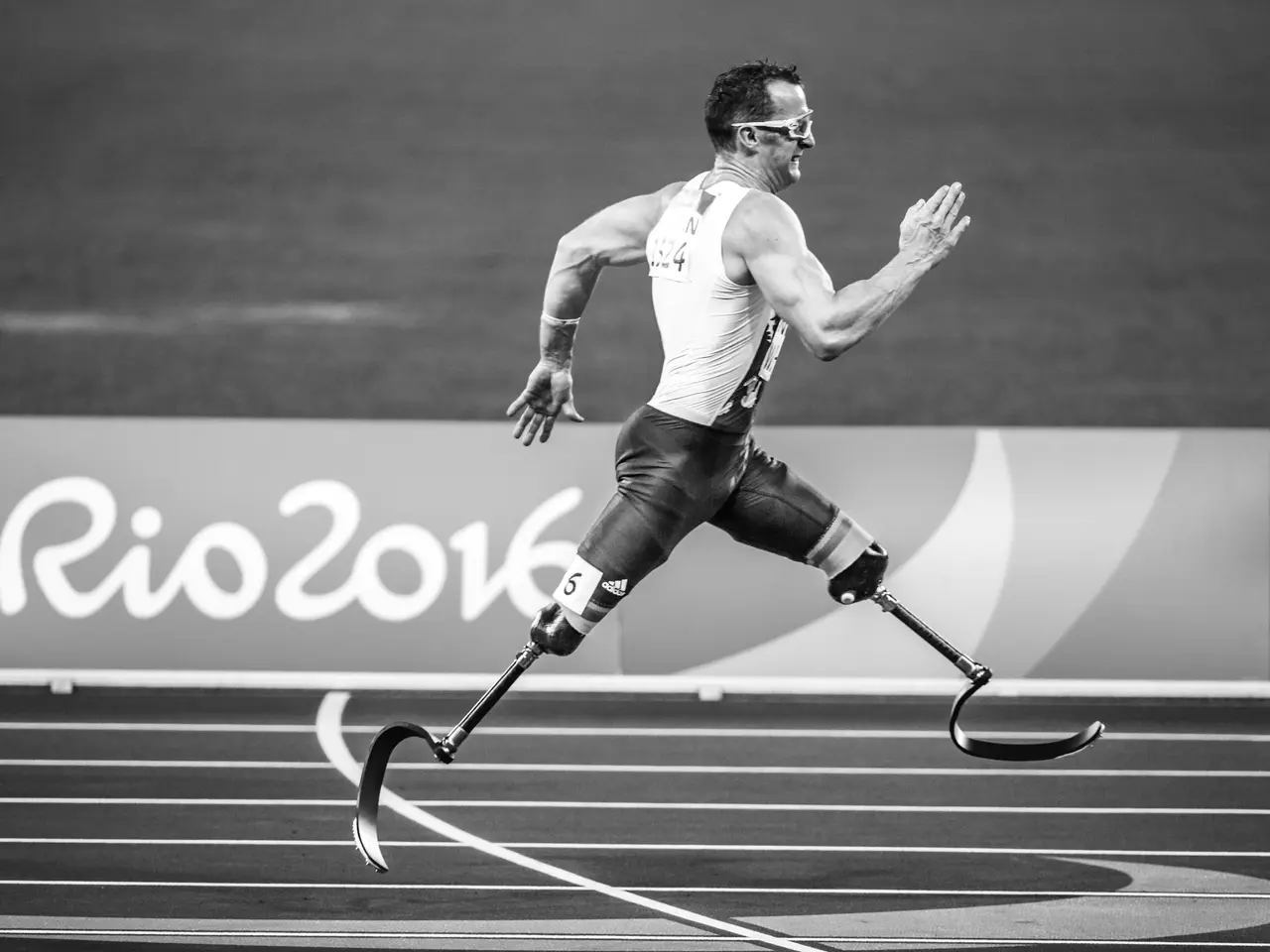
Para-sports at the Winter Paralympics rely on a detailed classification system to ensure fair competition. Athletes are grouped into distinct start classes based on their impairments, with rules varying across disciplines. The process is overseen by international federations like the International Ski Federation (FIS) and involves expert panels before major events.
Classification takes place ahead of competitions such as the Winter Paralympics, not during them. A two-person panel—usually a medical professional and a technical expert—assesses each athlete. For visually impaired competitors, an ophthalmologist is always included.
Para Alpine Skiing features nine classes (LW1 to LW9, LW11, LW12), divided by standing, sitting, or visual impairments. Race times are adjusted according to the degree of impairment. Para-snowboarding, meanwhile, has three classes: two for lower-limb impairments (SB-LL1, SB-LL2) and one for upper-limb impairments (SB-UL).
Para Ice Hockey operates differently, with teams built from players classified from 1 to 10. The total team score must not exceed a set limit, ensuring balanced competition. Wheelchair curling, however, uses a single class, requiring only a lower-limb disability for eligibility.
After assessment, athletes receive a class designation and a status—either 'Confirmed' or 'Review'—allowing them to compete internationally. Russian athletes with physical impairments were expected to complete this process before their recent return to global events.
The system ensures athletes compete on equal terms, with adjustments tailored to their impairments. Fair classification remains a cornerstone of Paralympic sports, balancing opportunity and equity across all disciplines.