How Your Diet Could Transform Anxiety, ADHD and Depression Symptoms
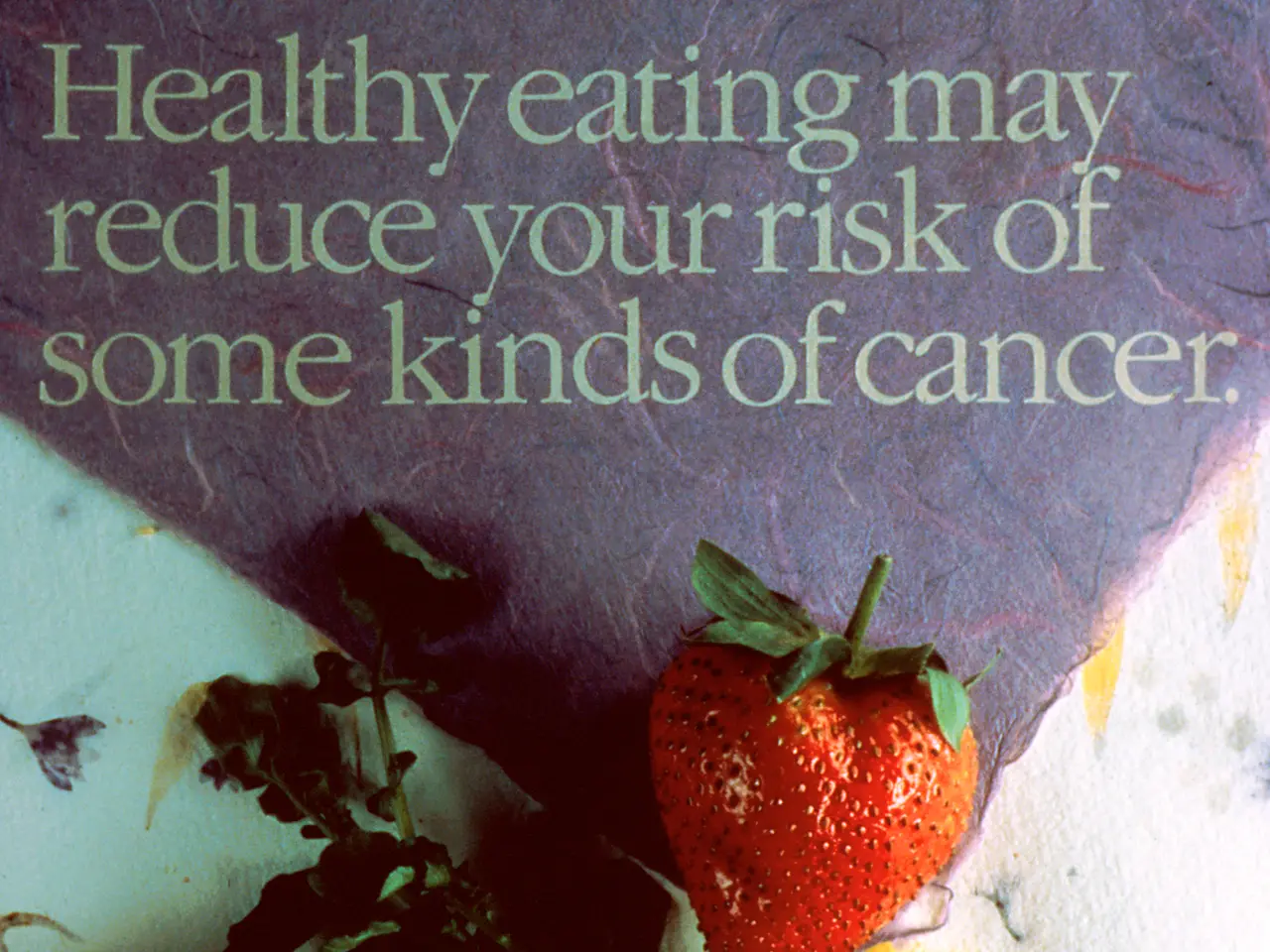
Diet plays a key role in managing mental health conditions, according to recent findings. Certain foods can ease symptoms of ADHD, anxiety, depression and autism spectrum disorder. Meanwhile, processed items and high sugar intake may worsen these conditions.
For those with ADHD, low fibre intake can make symptoms worse. Omega-3 fatty acids, found in fish and algae supplements, have been shown to improve focus and reduce restlessness. Algae-based supplements containing EPA and DHA are particularly effective.
People with anxiety disorders benefit from stable blood sugar levels and a Mediterranean diet. This eating pattern—rich in vegetables, legumes, fruit, fish, poultry and olive oil—helps manage symptoms. Avoiding caffeine, alcohol and processed foods also supports better mental wellbeing.
The same diet has a strong impact on depression. Studies show that switching from an unhealthy diet to a Mediterranean one can significantly improve depressive symptoms within three months. Olive oil, a staple in this diet, contains omega-3s and polyphenols that reduce inflammation and support brain health.
For autism spectrum disorder, the evidence is less clear but still promising. Some reports suggest that reducing gluten and dairy may help manage symptoms. A Mediterranean diet, combined with prebiotic and probiotic foods, also shows potential benefits. However, ultra-processed foods, trans fats and high sugar intake can make symptoms worse.
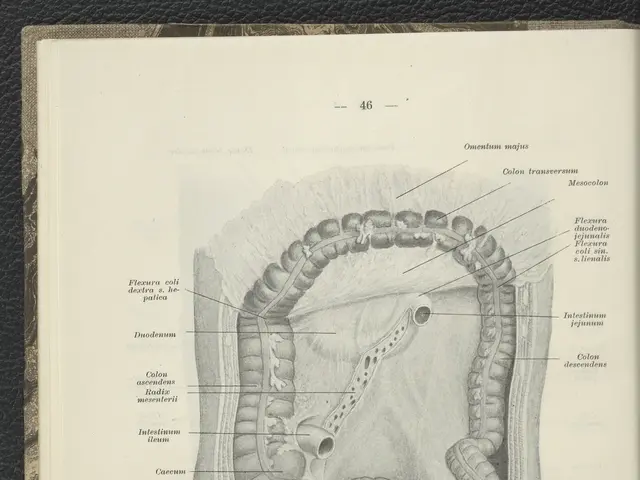
Research highlights the connection between the gut and brain. The two communicate through the nervous system, meaning diet directly affects mental health.
These findings suggest that simple dietary changes can make a real difference. A Mediterranean diet, rich in whole foods and healthy fats, appears most effective for depression and anxiety. For ADHD and autism, omega-3s and gut-friendly foods show promise, though more research is needed in some areas.