How Your Sleep Shapes Gut Health—and Why It Matters for Disease Risk
A new study in Nature Communications reveals a deep connection between sleep patterns, gut bacteria, and overall health. Researchers found that sleep quality directly shapes the gut microbiome, which in turn affects risks for metabolic diseases, brain disorders, and mood imbalances. The findings suggest that better sleep could lead to a healthier microbiome—and vice versa.
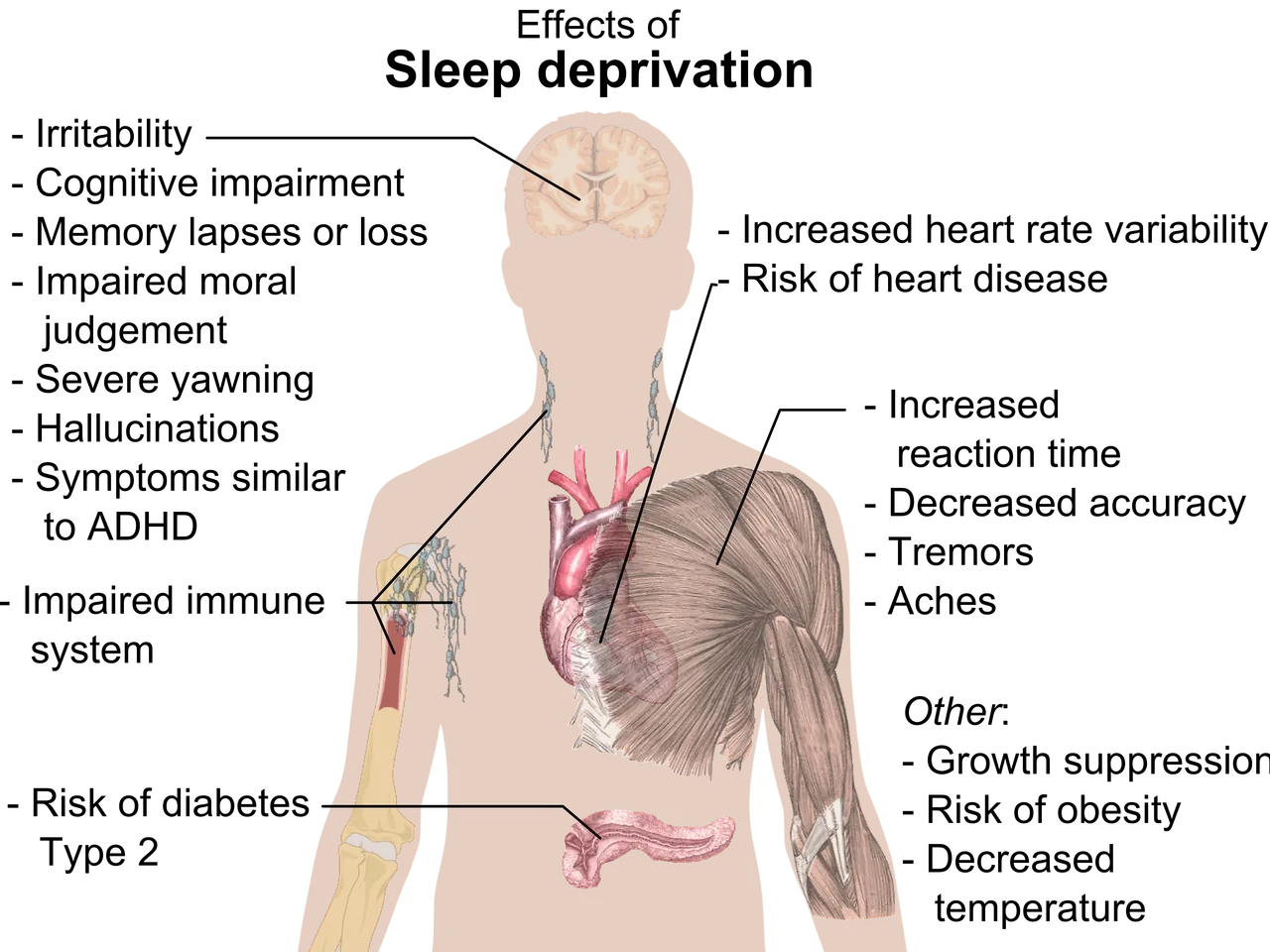
The research shows that regular sleep-wake cycles help keep microbial rhythms in balance, supporting stable metabolism. When sleep is poor or irregular, beneficial gut bacteria decline, while harmful metabolites increase. These shifts have been linked to higher risks of obesity, diabetes, Alzheimer's disease, and depression.
Distinct microbial profiles were also tied to different sleep types. People with disrupted sleep had fewer helpful bacteria and more inflammation-linked microbes. Sleep deprivation even altered key microbial pathways, reducing short-chain fatty acids and neurotransmitter precursors—both vital for brain and gut health.
Beyond observations, the study proposes practical steps for improving health. Doctors could now use microbiome tests to track bacterial diversity and inflammation over 8–16 weeks. Targeted probiotics, such as Lactobacillus rhamnosus GG or Bifidobacterium infantis 35624, combined with prebiotics, high-fibre foods, and polyphenol-rich diets, may help restore balance. Better sleep habits, stress reduction, and exercise were also recommended to strengthen the microbiome and ease sleep problems.
Machine learning tools further demonstrated that microbiome data, paired with health metrics, can predict sleep quality and disease risks. This opens doors for personalised treatments, including microbial therapies for sleep-related neurological and psychiatric conditions.
The findings bridge neuroscience, microbiology, and clinical medicine, setting a new benchmark for biomedical research. Clinicians may soon use microbiome testing and tailored probiotics to manage sleep disorders and related diseases. For now, the study reinforces that diet, exercise, and sleep hygiene remain key to maintaining a healthy gut and reducing long-term health risks.